Accumulator Insurance Dynamics Shift in European Handball Leagues Alongside Recurring Deposit Structures
Willa Reed · Jun 18, 2026
Accumulator Insurance Dynamics Shift in European Handball Leagues Alongside Recurring Deposit Structures
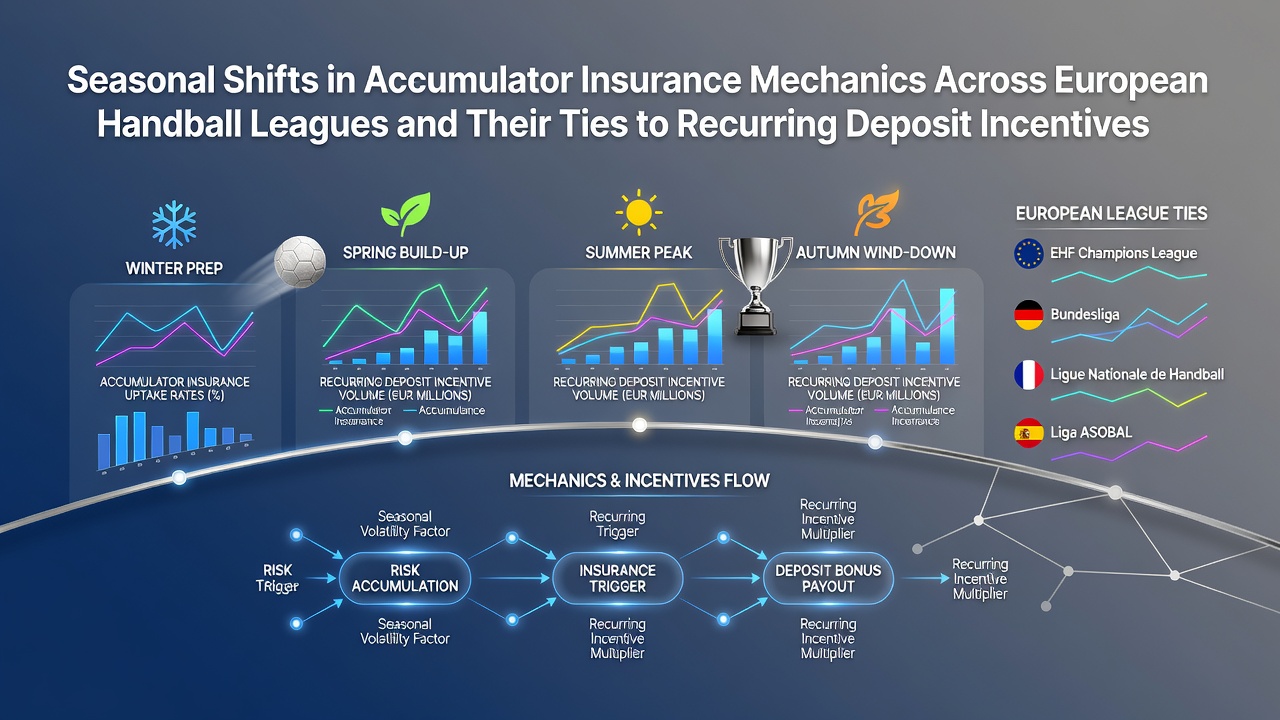
European handball competitions have seen measurable adjustments in accumulator insurance features during the 2025-2026 season, with platforms adapting coverage thresholds based on league calendars and player availability data. These changes align with recurring deposit mechanisms that activate additional protections when bettors add funds at regular intervals. Observers note that leagues such as the German Bundesliga and French LNH operate distinct match schedules, which influence how insurers calculate risk on multi-leg selections involving teams like THW Kiel or Paris Saint-Germain Handball.
Data from league tracking services shows increased accumulator activity during winter months when fixtures cluster around holiday periods, prompting operators to refine insurance triggers that reimburse stakes on near-miss outcomes. Recurring deposit incentives often tie directly into these mechanics by extending insurance windows for users who maintain consistent funding patterns, creating layered reward structures that span multiple weeks of competition.
League-Specific Adjustments in Coverage Rules
Handball leagues across the continent adjust accumulator insurance parameters according to seasonal patterns, with the EHF Champions League applying broader eligibility criteria during group stages compared to knockout rounds. In Spain's Liga ASOBAL, coverage limits have tightened around high-scoring teams during spring months because historical scoring averages rise after the winter break. Platforms respond by linking these limits to deposit frequency, so participants who schedule regular top-ups gain access to extended claim periods on selections that include matches from multiple leagues.
One study from the University of Oslo examined betting patterns in Scandinavian leagues and found correlations between deposit timing and insurance uptake rates, particularly when matches involve teams with injury reports released midweek. These findings indicate that recurring deposit offers help stabilize user engagement across fluctuating fixture densities without altering core odds calculations.
Integration of Deposit Incentives with Insurance Triggers
Recurring deposit programs function through automated extensions of accumulator insurance once users complete scheduled funding actions, often calibrated to coincide with peak handball periods such as the EHF Cup quarterfinals. Operators track these actions against league calendars so that insurance on accumulators covering four or more legs activates additional safeguards when deposits occur within specified windows. European regulatory frameworks in countries like Germany and France require clear disclosure of these linkages, ensuring users understand how deposit patterns affect coverage availability.
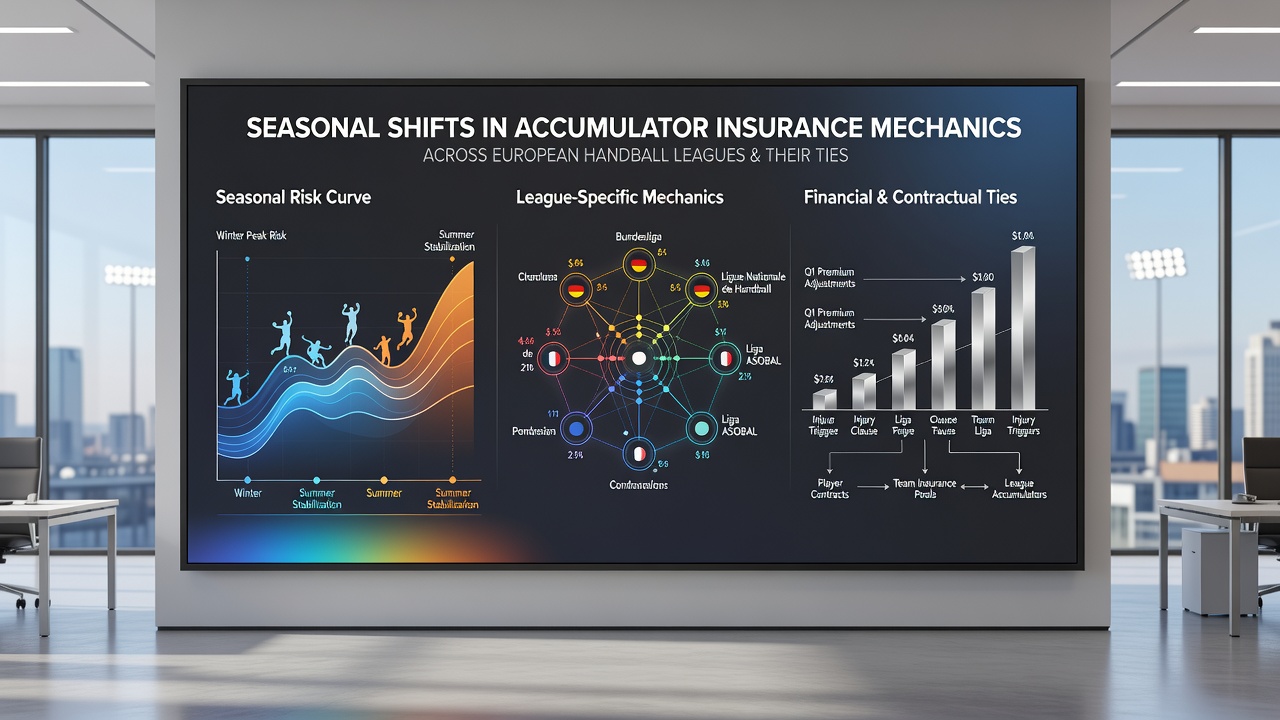
Platforms operating in multiple jurisdictions coordinate these features so that a deposit made for Bundesliga coverage can carry over protections to concurrent LNH fixtures, creating continuity for users who follow cross-border competitions. Figures released by industry groups reveal that such integrations increased during the 2025 season as leagues resumed full schedules following earlier disruptions.
Calendar Influences on Feature Availability
June 2026 marks a transition point for several European handball competitions, with summer preparatory tournaments prompting temporary expansions of accumulator insurance eligibility tied to deposit streaks. These expansions allow coverage on selections that include friendlies and early qualification matches, areas where historical data shows higher variance in outcomes. Recurring deposit structures remain active through this period, providing continuity for bettors who maintain funding habits across the off-season lull in major league play.
Analysts tracking EHF events have documented how insurance thresholds shift when leagues enter qualification phases, with deposit-linked bonuses often serving as the mechanism that restores full coverage after temporary reductions. This approach maintains operational consistency while aligning with the irregular rhythms of international handball calendars.
Technical Implementation Across Platforms
Software systems behind these features use real-time league data feeds to adjust insurance parameters, incorporating variables such as team travel schedules and referee assignments that vary by country. When users activate recurring deposits, the system automatically applies extended claim windows to existing accumulators, particularly those spanning the German and Polish leagues where fixture congestion peaks in February and March. This automation reduces manual adjustments and ensures uniform application across user accounts.
Reports from betting technology providers indicate that integration testing for the 2026 season focused on cross-league accumulator compatibility, allowing protections to transfer smoothly when deposit incentives activate. Such developments reflect broader trends in European sports betting infrastructure adapting to the demands of year-round handball programming.
Conclusion
Accumulator insurance mechanics in European handball continue to evolve in tandem with recurring deposit frameworks, driven by league calendars and operational requirements across multiple countries. These systems rely on data-driven adjustments that maintain coverage consistency while responding to seasonal fixture patterns. As competitions progress into 2026, the connections between deposit timing and insurance availability are expected to remain central to platform offerings in the region.