Aligning Matched Cycles with Dynamic Pricing for Long-Term Stability in Licensed Markets
Rosa Fischer · Jun 4, 2026
Aligning Matched Cycles with Dynamic Pricing for Long-Term Stability in Licensed Markets
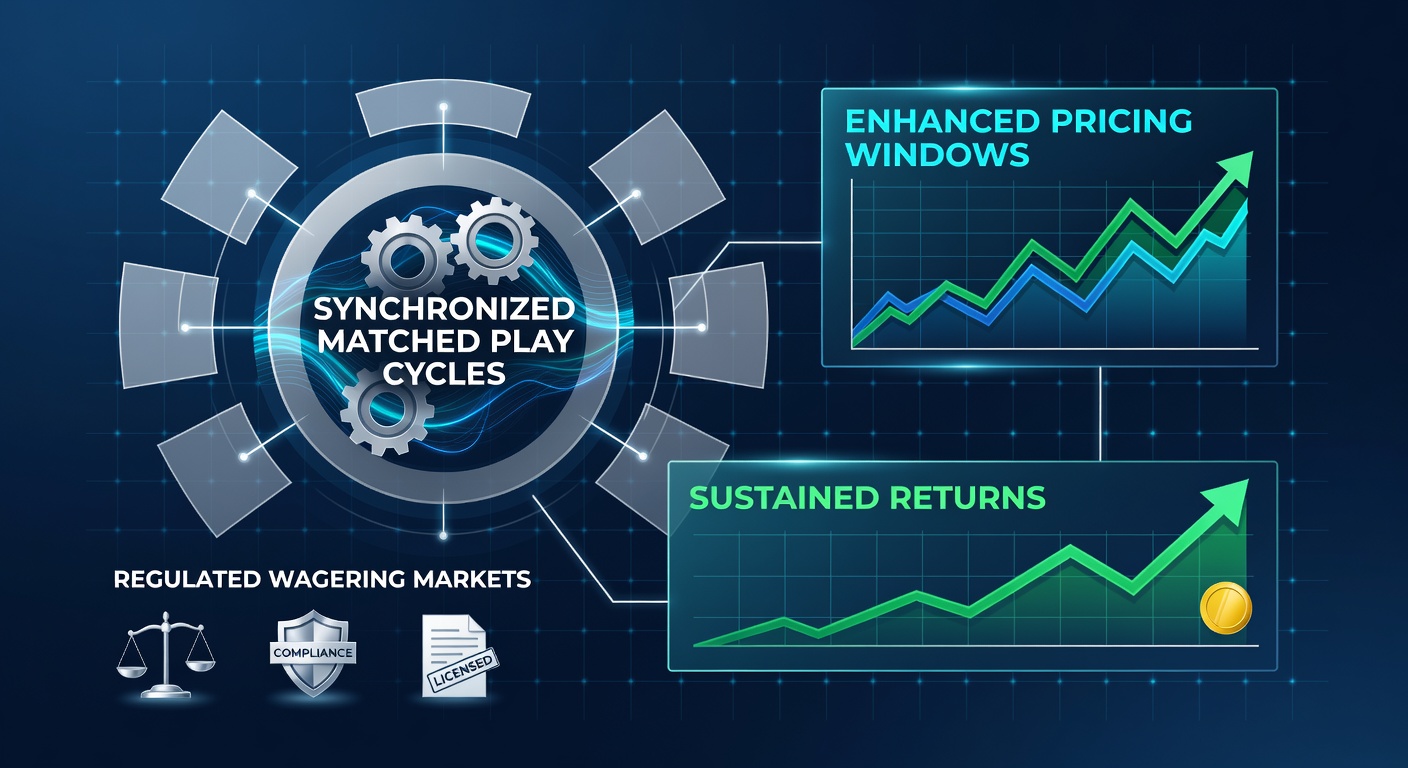
Matched play cycles involve placing opposing wagers across different operators to lock in promotional value while neutralizing outcome risk, and these cycles gain durability when coordinated with enhanced pricing windows that feature adjusted odds or boosted payouts. Operators in regulated environments release these windows during peak events or promotional periods, creating opportunities where the overlap between cycle timing and pricing adjustments supports repeated execution without depleting bankrolls through variance. Data from multiple jurisdictions shows that participants who map cycle durations against these windows achieve steadier capital preservation compared to those operating without synchronization.
Core Elements of Matched Play Cycles
Each matched play cycle consists of an initial stake on one outcome paired with a counter-stake on the opposing result, often facilitated by sign-up incentives or ongoing loyalty rewards. Cycle length typically spans from hours to several days depending on event schedules, and the process repeats once funds clear and new offers become available. Regulatory frameworks in places like Nevada require clear disclosure of terms, which affects how quickly cycles can restart after each completion. Observers note that cycles performed in isolation tend to encounter diminishing returns once introductory offers expire, making the identification of recurring incentives essential for continuation.
Role of Enhanced Pricing Windows
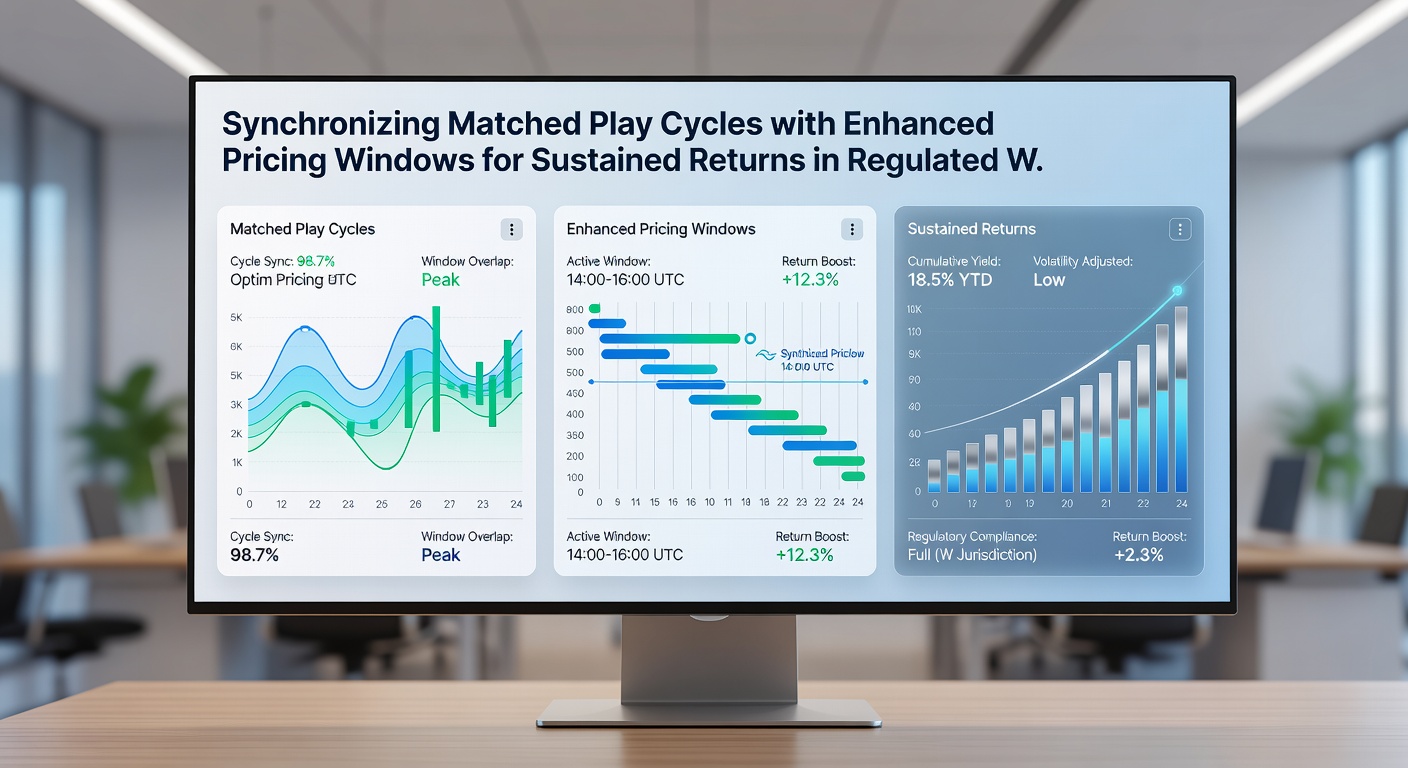
Enhanced pricing windows appear when bookmakers adjust margins or introduce temporary payout uplifts tied to specific fixtures or market conditions. These windows open and close according to demand patterns and inventory management, often aligning with major tournaments or seasonal shifts. In markets overseen by bodies such as the Nevada Gaming Control Board, operators must maintain audit trails for all pricing changes, which creates predictable intervals that experienced participants track through historical data feeds. Synchronization occurs when a matched cycle is initiated just as a window opens, allowing the locked profit margin to incorporate the enhanced terms rather than standard pricing.
Methods for Synchronization Across Jurisdictions
Participants begin by logging offer expiry dates alongside historical pricing data for chosen events, then align the start of each cycle with the earliest point of window activation. Software tools that aggregate real-time odds across licensed platforms help identify these overlaps without manual cross-referencing. In Canadian provinces with provincial oversight, similar data aggregation occurs through approved aggregator services that respect local advertising rules. The process continues by staggering multiple cycles so that one completes as another enters an active pricing window, thereby maintaining continuous exposure to enhanced terms. Reports from the Canadian Gaming Association indicate that operators in these regions publish window schedules in advance during major sports seasons, which assists with forward planning.
Adjustments become necessary when regulatory updates alter minimum payout requirements or bonus clearance rules. For instance, upcoming compliance deadlines scheduled for June 2026 in several North American and European markets will standardize disclosure formats for pricing adjustments, potentially lengthening the lead time between window announcements and activation. Those coordinating cycles prepare by building buffers into their schedules to accommodate these changes while preserving overlap efficiency.
Monitoring Regulatory and Market Data
Industry reports compiled by organizations such as the Australian Institute of Criminology track how synchronized strategies perform under varying tax and compliance regimes. These studies compile anonymized transaction volumes and show that operators in tightly regulated settings release more frequent yet shorter pricing windows compared to less structured markets. Participants cross-reference these findings with live feeds from multiple jurisdictions to avoid cycles that would extend beyond local regulatory windows. The approach relies on maintaining separate ledgers for each market to ensure compliance with jurisdiction-specific fund segregation rules.
Further refinement comes from reviewing academic analyses published by university research centers focused on gambling economics. One such paper from an Australian institution examined multi-year datasets and found that operators adjust window frequency in response to player retention metrics rather than fixed calendars. This observation leads practitioners to monitor retention-driven announcements as early signals for upcoming enhanced periods, allowing cycles to be queued accordingly.
Practical Implementation Patterns
Take one operator network that coordinates cycles across European and Asian licensed platforms, where pricing windows tied to football and cricket events are cross-referenced against bonus rollover requirements. The network initiates qualifying stakes during the first hours of each window, then completes counter-stakes once the enhanced terms lock in. Completion times are logged against clearance periods so that freed capital immediately feeds into the next aligned cycle. Similar patterns appear in reports covering North American sportsbooks during playoff seasons, where window durations extend due to heightened event volume.
Technology integration plays a supporting role through APIs that push notifications when both cycle readiness and pricing conditions coincide. Licensed platforms in multiple regions now offer these data streams under regulatory approval, reducing manual oversight while preserving audit compliance. The result is a rolling sequence where each completed cycle feeds directly into the subsequent window without idle capital periods.
Conclusion
Coordination between matched play cycles and enhanced pricing windows rests on systematic tracking of offer terms, historical window patterns, and jurisdiction-specific regulatory calendars. As frameworks evolve toward June 2026 with standardized disclosure rules in several regions, the ability to maintain overlaps depends on access to timely data and adaptive scheduling across licensed operators. Reports from gaming associations and academic sources continue to document how these alignments support repeated execution within established compliance boundaries, providing measurable continuity for those operating under regulated conditions.