Aligning Multi-Platform Loyalty Timelines for Sustained Revenue Flow in Rival Betting Sectors
Rosa Fischer · Aug 15, 2026
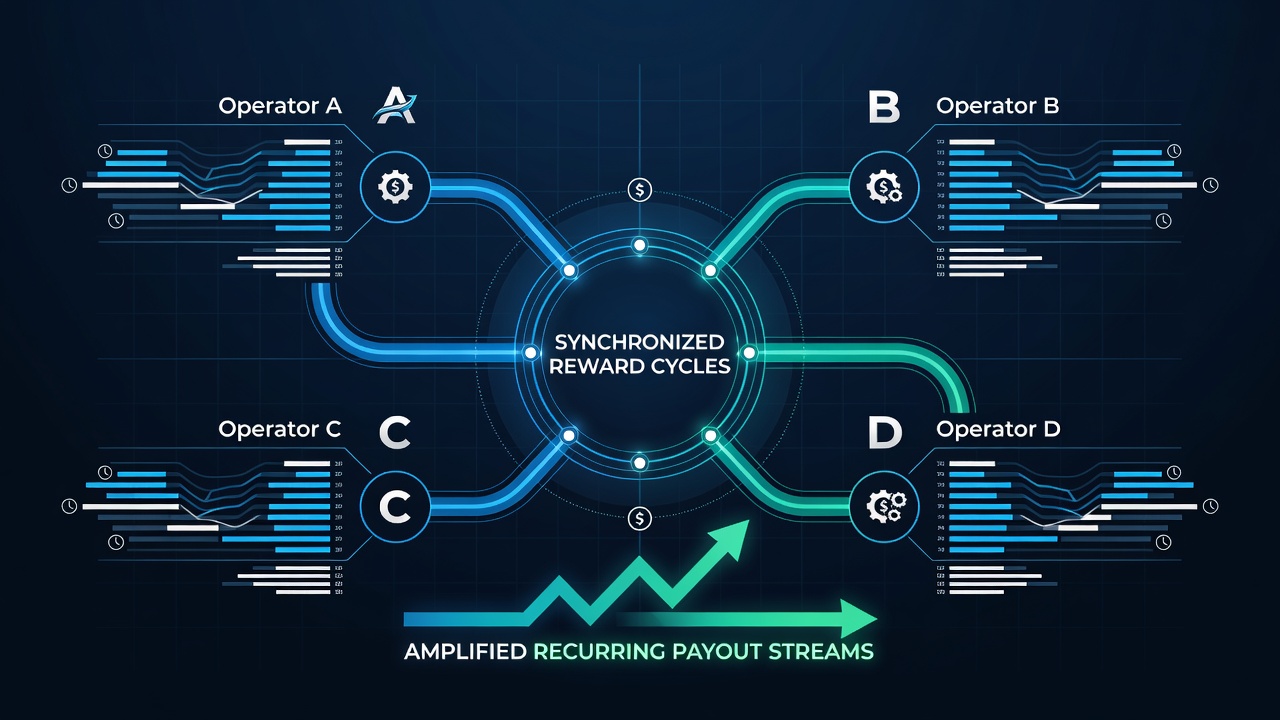
Aligning Multi-Platform Loyalty Timelines for Sustained Revenue Flow in Rival Betting Sectors
Operators in competitive wagering markets maintain distinct reward cycles that include sign-up bonuses, reload incentives, loyalty tiers, and cashback structures, and observers note that aligning these timelines across platforms creates opportunities for participants to maintain continuous access to promotional funds. Data from the European Gaming and Betting Association shows that staggered cycle lengths, often ranging from weekly reloads to quarterly loyalty resets, allow bettors to sequence activities without overlap conflicts when managed systematically.
Research indicates that participants who map out cycle start and end dates from multiple operators achieve higher utilization rates of available rewards. Studies from teh University of Nevada, Reno Gaming Research Center reveal that coordinated timing reduces idle periods between promotions, resulting in steadier payout streams over extended periods. Those who track these patterns through spreadsheets or dedicated apps report fewer gaps in their reward access.
Mapping Cycle Durations Across Leading Platforms
Platforms typically operate on 7-day, 14-day, or 30-day reward intervals, and synchronization begins with cataloging each operator's reset dates. One case study highlighted by industry analysts demonstrated how a participant aligned a 14-day cashback cycle from one operator with a 30-day loyalty bonus from another, extending active promotion windows by several weeks. Figures reveal that this approach increased recurring access to matched funds without requiring additional deposits beyond initial requirements.
Regulatory bodies in various regions, including the Nevada Gaming Control Board, publish guidelines on promotional structures that help participants understand cycle boundaries. These documents clarify minimum wagering thresholds and expiration rules, enabling precise planning. As of August 2026, updates from multiple jurisdictions emphasize transparency in cycle disclosures, which supports more accurate synchronization efforts across borders.
Implementation Techniques for Cycle Coordination
Participants often begin by listing all active accounts and their associated cycle dates in a shared calendar system. This method connects reload offers that reset mid-month with loyalty points that accumulate toward month-end redemptions, creating overlapping benefit periods. Evidence suggests that those maintaining such calendars complete required wagering volumes more consistently than those relying on memory alone.
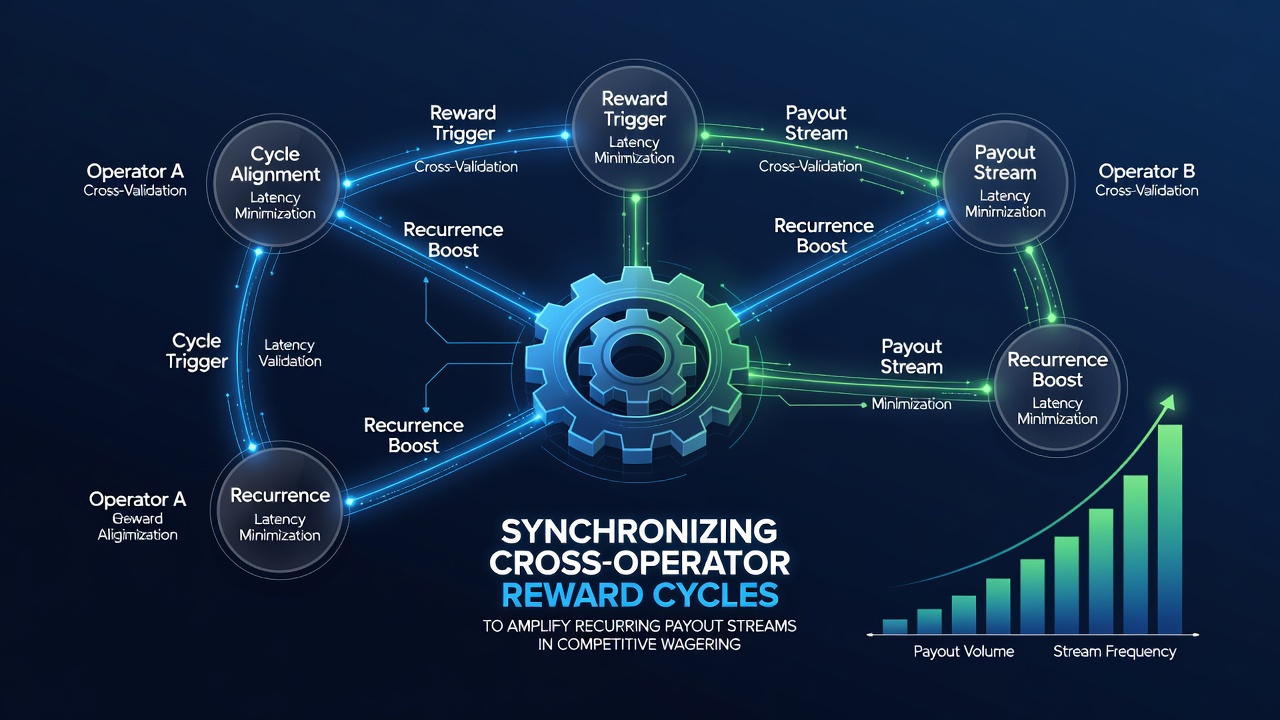
Advanced tracking incorporates operator-specific variables such as minimum stake requirements and eligible market restrictions. One documented example involved coordinating a mid-week deposit match with an end-of-week cashback trigger, which together extended the effective reward duration across two platforms. Researchers discovered that combining these elements reduced the frequency of unclaimed promotions by measurable margins.
Impact on Recurring Payout Patterns
Aligned cycles produce steadier revenue flows because participants avoid the common pattern of concentrated activity followed by inactive stretches. Industry reports from the Australian Communications and Media Authority indicate that synchronized approaches correlate with higher overall engagement metrics in multi-operator environments. The reality is that consistent access to promotional capital supports more predictable bankroll management over time.
Yet challenges arise when operators adjust cycle lengths without prior notice, requiring participants to monitor announcements closely. Trade group publications from the Remote Gambling Association provide updates on policy shifts that affect timing structures, allowing adjustments before cycles reset. Data shows that proactive monitoring maintains synchronization benefits even amid occasional changes.
Future Considerations in Evolving Markets
Market competition continues to drive operators toward more frequent and varied reward cycles, which increases both opportunities and complexity for alignment strategies. Academic papers on behavioral economics in gambling contexts suggest that structured synchronization may become a standard practice as digital tools improve tracking capabilities. Those monitoring developments in August 2026 observe growing integration between operator apps and third-party analytics platforms designed for cycle management.
Conclusion
Coordinating reward cycles across operators delivers measurable improvements in recurring payout access within competitive wagering markets. Continued observation of regulatory updates and operator announcements supports ongoing refinement of these alignment methods, while available data confirms the practical benefits of systematic timeline management for sustained participation.