Aligning Recurring Platform Perks with Live Odds Fluctuations for Optimized Position Management in Sports Markets
Willa Reed · Jun 6, 2026
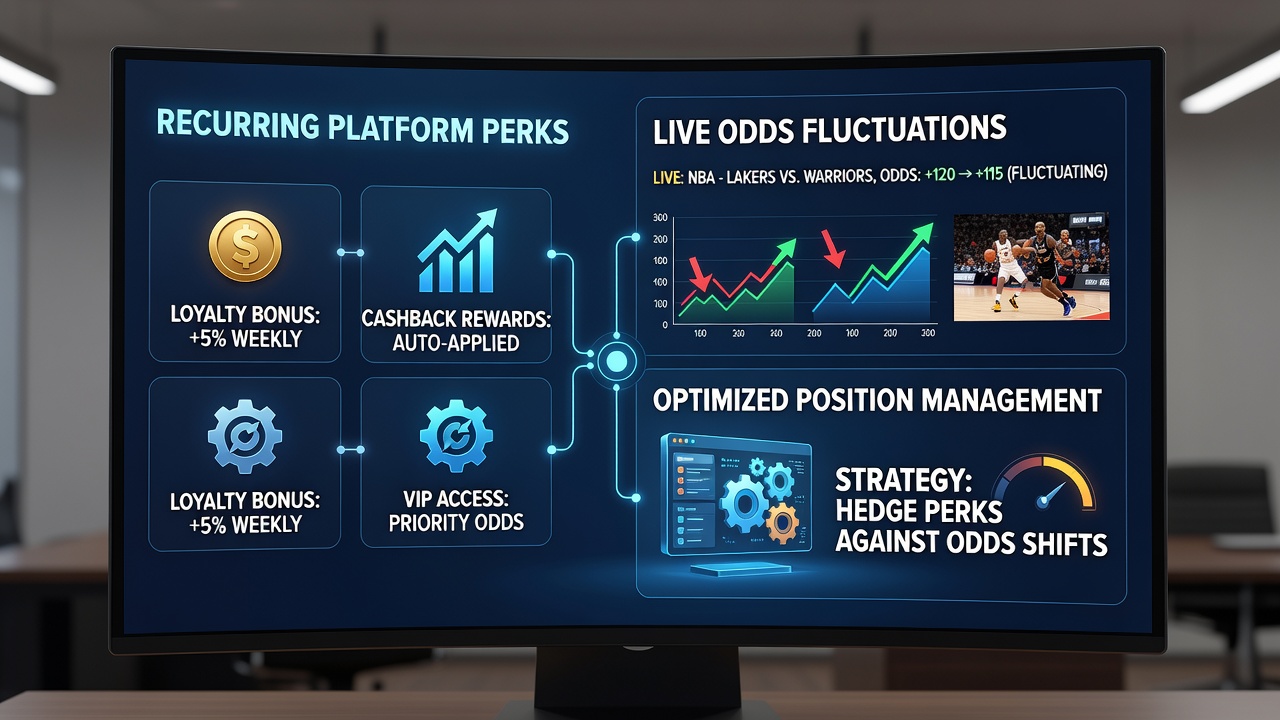
Aligning Recurring Platform Perks with Live Odds Fluctuations for Optimized Position Management in Sports Markets
Market participants in sports betting environments routinely track recurring platform perks such as reload bonuses and cashback structures while monitoring shifts in live odds across major events, and this alignment process supports more precise position adjustments throughout active trading sessions. Data from industry reports shows that operators release these incentives on predictable cycles tied to deposit activity or loyalty tiers, yet live odds respond instantly to in-game developments like player substitutions or weather changes during matches.
Mechanics of Recurring Perks in Sports Platforms
Recurring perks function through automated systems that credit accounts based on volume thresholds or scheduled promotions, and operators design these features to encourage continued engagement across multiple betting windows. According to figures released by the American Gaming Association, loyalty programs in regulated markets processed over 12 billion dollars in bonus-related activity during the 2025 calendar year, with reload offers accounting for a substantial share of that total. Those who monitor these cycles find that timing deposits ahead of expected odds movements allows positions to scale without immediate capital outlays, since the perk value offsets a portion of the stake exposure.
Platforms typically structure cashback as a percentage return on net losses within defined periods, and this mechanism interacts directly with fluctuating lines in sports such as football and basketball where in-play adjustments occur every few minutes. Research from academic analyses at the University of Nevada indicates that participants who correlate perk activation windows with historical volatility patterns achieve steadier equity curves compared to those who apply incentives randomly.
Live Odds Dynamics and Their Impact on Positioning
Live odds fluctuate based on real-time inputs including team statistics, referee decisions, and external factors such as venue conditions, and these movements create windows where value emerges or erodes rapidly. Traders who maintain open positions during these shifts must recalibrate exposure levels to preserve overall risk parameters, especially when multiple correlated markets move simultaneously. Evidence from European betting association data reveals that average in-play line changes exceed 8 percent in high-profile leagues during peak hours, underscoring the need for responsive management tools.
Position management in this context involves scaling entries, hedging exposures, and exiting segments as odds converge toward settlement values, while recurring perks provide additional margin that can absorb minor adverse movements without forcing premature closures. Observers note that synchronization becomes particularly relevant during extended tournaments where daily matches overlap and perk resets occur at midnight local times across different time zones.
Integration Strategies for Perk and Odds Alignment
Effective integration begins with mapping perk calendars onto volatility forecasts derived from historical match data, and this preparatory step enables participants to anticipate when an incoming reload bonus might coincide with elevated movement in specific leagues. Platforms equipped with API feeds allow automated alerts that flag both bonus eligibility and notable odds deviations, reducing manual oversight during fast-paced sessions. In June 2026, several operators introduced enhanced tracking dashboards that overlay these two data streams, reflecting broader industry adoption of integrated analytics following regulatory updates in multiple jurisdictions.

Case examples drawn from professional trading desks illustrate how a deposit bonus activated during a live tennis set with shifting serve percentages permitted an increase in position size while maintaining the same net risk profile. The bonus effectively lowered the break-even threshold, allowing the desk to hold through temporary line corrections that would otherwise trigger partial liquidation. Similar patterns appear in motorsport and combat sports where late-round developments generate pronounced odds swings within compressed timeframes.
Tools and Data Sources Supporting Optimized Management
Participants increasingly rely on third-party software that aggregates odds from multiple books and cross-references them against personal perk inventories, and these platforms often incorporate machine learning models trained on past correlation events. Regulatory filings from the Nevada Gaming Control Board document a rise in licensed technology providers offering such synchronization modules, with adoption rates climbing steadily through 2025 and into the following year. Those who combine these tools with disciplined bankroll segmentation report fewer instances of overexposure during volatile periods.
External benchmarks from the Australian Communications and Media Authority further highlight how regional markets with mature digital infrastructure demonstrate higher rates of automated perk-odds pairing, suggesting transferable practices for operators elsewhere. Continuous refinement of these approaches depends on access to granular timestamped data rather than aggregated summaries, enabling precise backtesting of alignment tactics across seasons.
Conclusion
Alignment of recurring platform perks with live odds fluctuations represents a structured approach to position management that leverages predictable incentive cycles alongside dynamic market signals. Available evidence from regulatory and academic sources confirms measurable impacts on equity stability when these elements receive coordinated attention, and ongoing platform enhancements continue to streamline the required data flows for participants operating in competitive sports environments.