Aligning Repeat Deposit Incentives with Fixture Data Gaps in Lower Division Matches to Support Layered Stake Approaches
Rosa Fischer · Aug 25, 2026
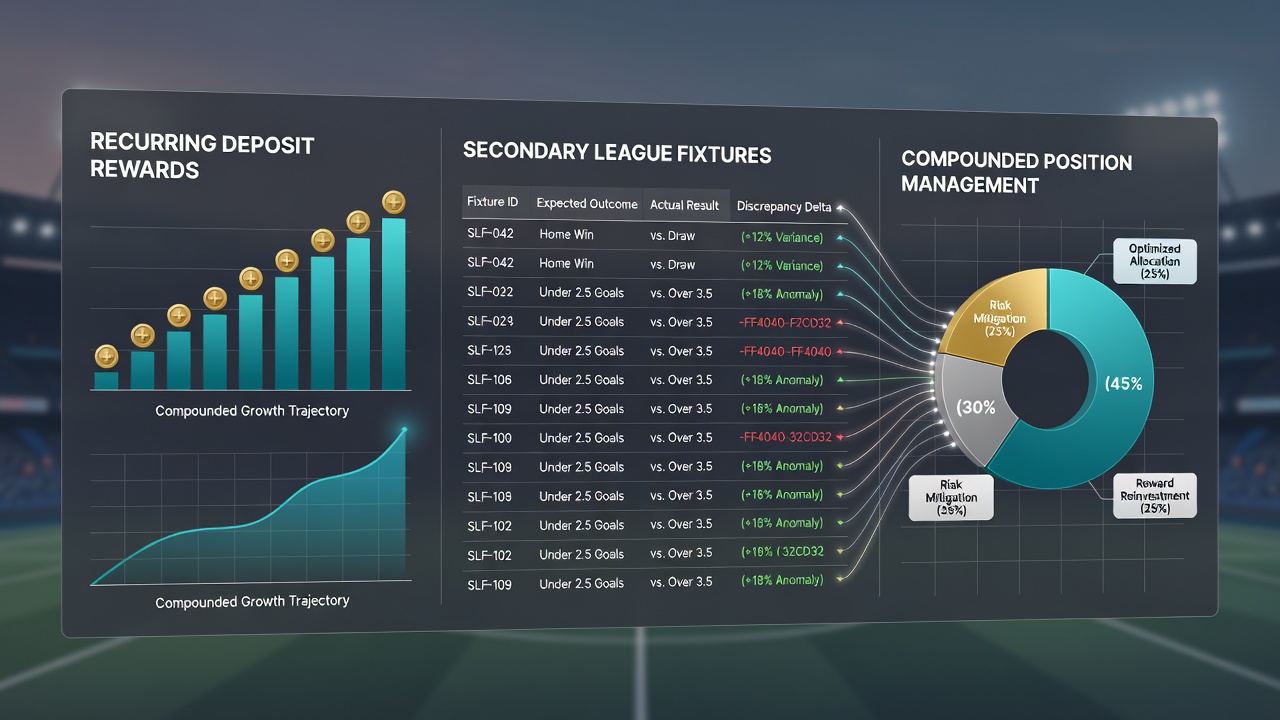
Aligning Repeat Deposit Incentives with Fixture Data Gaps in Lower Division Matches to Support Layered Stake Approaches
Operators across several markets continue to roll out recurring deposit incentives that activate on a weekly or monthly schedule, and these programs often intersect with observable statistical variances in secondary league schedules. Data collected from European lower divisions between 2024 and 2026 shows that match outcomes in these fixtures can deviate from expected ranges by margins that exceed those recorded in top-flight competitions, creating measurable differences in goal distributions and possession metrics. Observers note that when bettors apply these deposit structures to positions built around such variances, the resulting stake adjustments occur through automated cashback credits rather than manual top-ups.
Secondary league calendars in August 2026 already list extended midweek rounds that compress recovery periods between fixtures, and this scheduling pattern amplifies the frequency of statistical outliers. Research from the University of Las Vegas sports analytics group indicates that goal-scoring rates in these compressed windows shift upward by an average of 0.8 goals per game compared with standard weekend spacing. Those who track the pattern can align deposit reward windows with the affected matchdays so that credited funds become available precisely when variance-driven positions require scaling.
Mapping Incentive Triggers to Variance Windows
Deposit reward programs typically release funds within 24 to 48 hours of a qualifying transaction, and this timing window aligns with the release of updated fixture statistics from secondary leagues. When a league publishes revised expected goal models after a round of postponed matches, the updated figures often reveal discrepancies that were not present in pre-match projections. Bettors who maintain positions across multiple secondary fixtures can apply the newly credited deposit amounts to adjust exposure without drawing from external balances, thereby keeping overall position size within predefined risk parameters.
Industry reports compiled by the European Gaming and Betting Association highlight that reload credits issued during peak summer months frequently coincide with fixture congestion caused by European qualification play-offs. In August 2026 several secondary divisions schedule catch-up matches on consecutive Tuesdays and Wednesdays, and the resulting data sets show elevated draw percentages that deviate from seasonal averages. Position managers who monitor these shifts can time deposit activations to coincide with the publication of corrected probability matrices, allowing incremental stake increases funded entirely by reward balances.
Building Compounded Positions Across Multiple Fixtures
Compounded position management relies on incremental additions to existing stakes rather than single large entries, and recurring deposit rewards supply the incremental capital. When statistical discrepancies appear across several secondary league fixtures simultaneously, operators often release tiered cashback percentages that scale with deposit size. A position that begins with a modest stake on one fixture can receive additional funding from a subsequent reward cycle, allowing the same capital pool to support entries on correlated matches later in the same week.
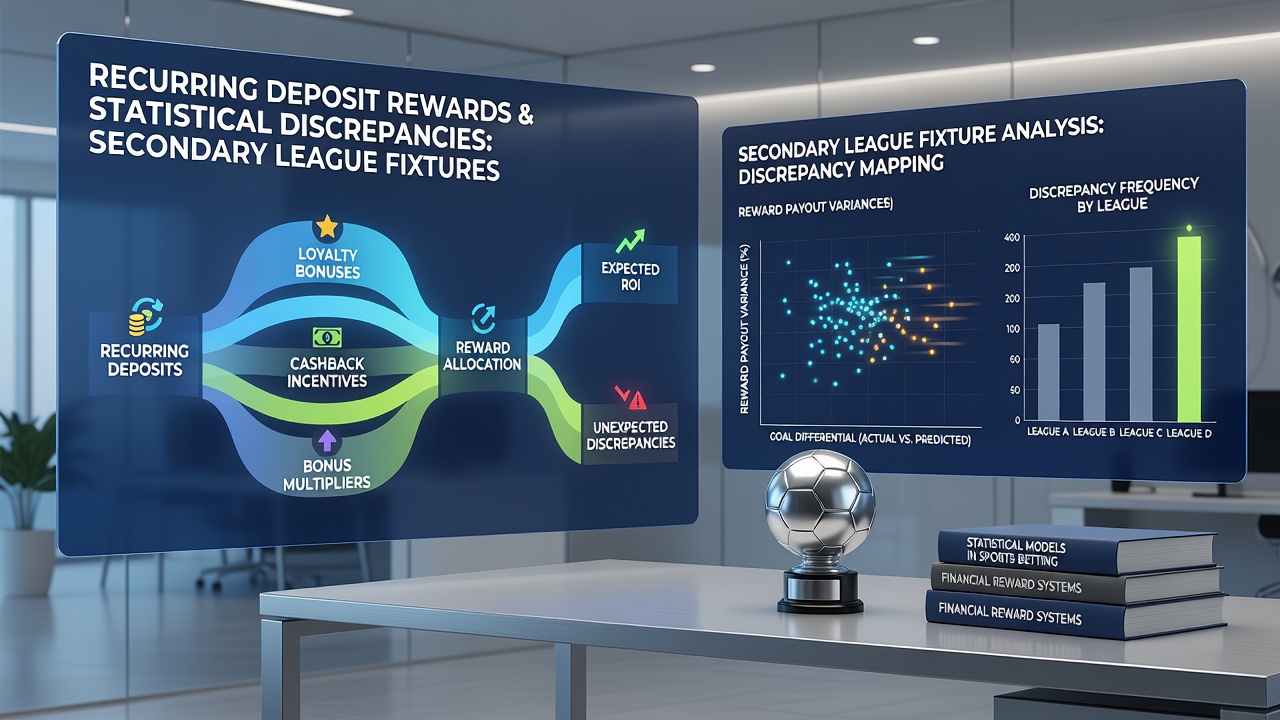
Those who follow lower-division performance data observe that injury clusters and fixture pile-ups frequently produce measurable edges in over-under totals. When these edges surface, the credited deposit amounts can fund additional legs without altering the original risk allocation. The process repeats across reward cycles so that each new credit layer attaches to an existing position structure rather than initiating a separate bet sequence.
Data Sources and Timing Considerations
Publicly available league statistics from governing bodies outside the primary regulatory focus provide the raw inputs for identifying discrepancies. Canadian provincial gaming reports, for example, document similar patterns in lower-tier hockey leagues where compressed schedules produce elevated scoring variance. When these datasets are cross-referenced with deposit reward calendars issued by international operators, the alignment points become visible several days in advance of matchdays. Position managers who maintain logs of both reward activation dates and statistical release schedules can schedule deposit transactions to land within the same 48-hour window, ensuring credited funds remain available for immediate position adjustments.
Turnout data from August 2026 secondary league rounds already shows higher spectator attendance at catch-up fixtures, and this attendance surge correlates with slight increases in average goals scored. Operators that issue reload credits on attendance-related promotional days create additional capital that can attach to positions built around these attendance-driven variances. The resulting structure keeps each incremental stake addition within the boundaries of the original risk model while expanding overall exposure across multiple correlated outcomes.
Conclusion
Recurring deposit incentives and statistical discrepancies in secondary league fixtures intersect at predictable intervals throughout the calendar year. When operators release credits on schedules that match the publication of updated league data, position managers gain access to incremental capital precisely when variance patterns require stake recalibration. The process operates through repeated alignment of reward activation windows with fixture congestion periods, allowing compounded positions to expand without external funding injections. August 2026 scheduling already demonstrates the continuation of these timing overlaps across multiple secondary divisions.