Decoding Bettor Development Through Multi-Layered Incentive Cycles in Sportsbooks
Lars Roth · May 21, 2026

Decoding Bettor Development Through Multi-Layered Incentive Cycles in Sportsbooks
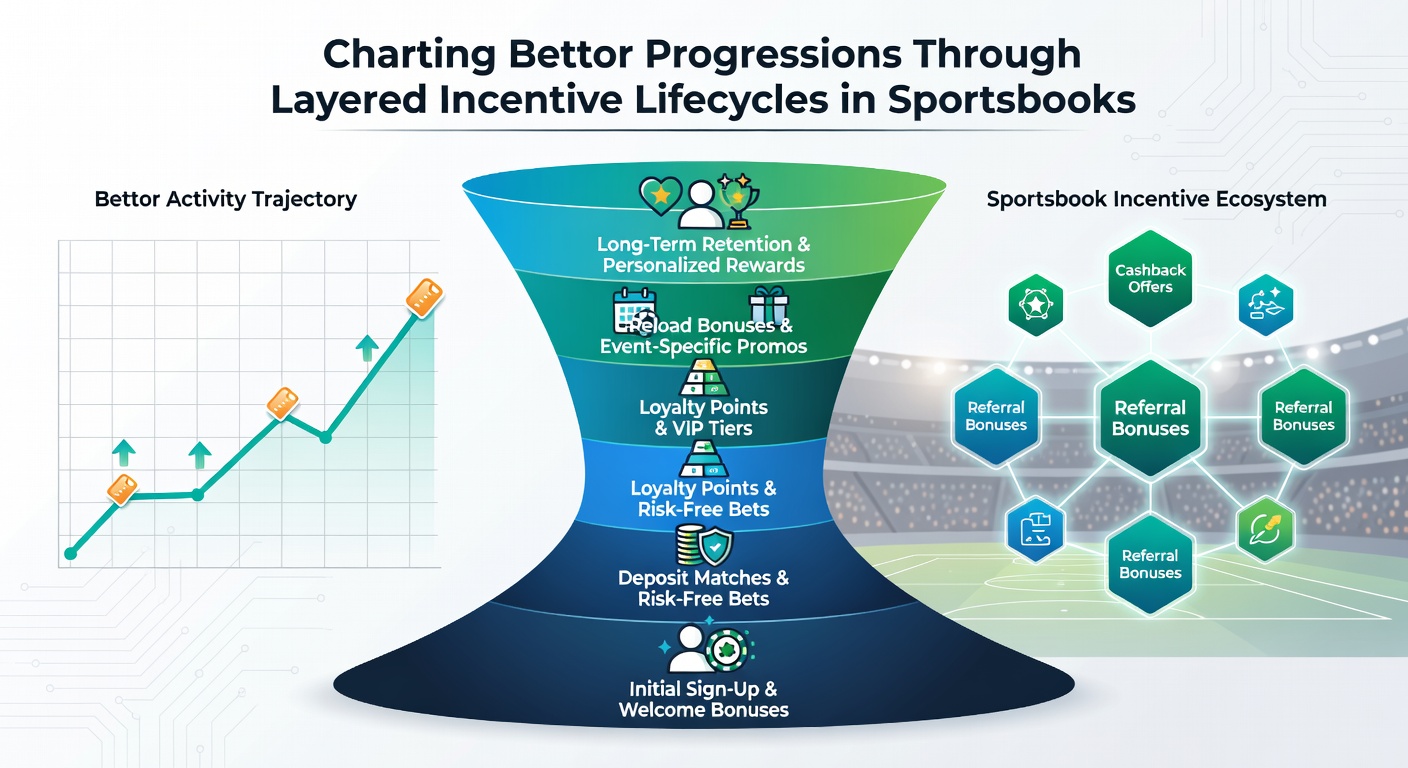
Operators design incentive structures that guide bettors from initial sign-up offers through successive reward tiers, and these frameworks create measurable pathways where participation levels rise in response to deposit matches, loyalty accumulation, and cashback mechanisms. Bettors encounter welcome bonuses that transition into reload incentives, while ongoing activity unlocks higher cashback percentages and exclusive market access. Data from the American Gaming Association indicates that structured progression models correlate with extended user sessions across digital platforms.
Initial Engagement and First-Layer Incentives
New accounts typically activate through deposit-based matches or free bet credits that establish baseline engagement patterns, and these entry points feed into tracking systems which monitor wager volume and frequency to determine eligibility for subsequent layers. Observers note that completion rates for first-layer requirements often exceed seventy percent among active users who deposit within the first seven days. Such metrics help operators refine qualification thresholds while maintaining compliance with regional standards that vary from state to state in the US and province to province in Canada.
Mid-Tier Accumulation and Behavioral Tracking
Once past the entry phase, bettors accumulate points through consistent wagering that feeds loyalty programs and unlocks tiered benefits including enhanced odds and personalized cashback rates. Researchers at the University of Nevada, Las Vegas have documented how point accrual accelerates during promotional windows, creating feedback loops where users increase stake sizes to reach the next reward bracket faster. Platforms log these movements in real time, allowing algorithms to adjust incentive values based on individual risk profiles and historical patterns.
Advanced Lifecycle Stages and Retention Tools
Higher tiers introduce exclusive events such as boosted parlays and VIP cashback schedules that reward sustained activity over months rather than weeks, while data visualizations help operators map drop-off points where users stall between layers. Those who study retention metrics report that seamless transitions between tiers reduce churn by measurable margins, particularly when operators combine live betting promotions with loyalty multipliers. Industry reports from the European Gaming and Betting Association highlight similar patterns across multiple jurisdictions where layered systems support longer account lifespans.
Operational Shifts Expected Around May 2026
Market adjustments scheduled for May 2026 include operator restructuring that may influence how layered incentives are funded and promoted, particularly as physical retail footprints contract and digital channels absorb more traffic. These developments coincide with ongoing refinements to bonus structures that emphasize recurring rewards over one-time deposits. Analysts track such timelines because they affect the pace at which new lifecycle stages roll out to users across major platforms.
Methods for Visualizing Progression Data
Operators employ heat maps and funnel analytics to illustrate how cohorts move from entry incentives through loyalty milestones, and these tools reveal bottlenecks where drop-off occurs between specific reward layers. Third-party software integrates with sportsbook back ends to generate progression timelines that highlight correlations between incentive timing and wager frequency. Such visualizations support evidence-based adjustments rather than broad assumptions about user behavior.
Regional Variations in Lifecycle Design
Frameworks differ by jurisdiction, with North American operators often emphasizing deposit matches while European platforms lean toward cashback and free bet sequences, yet the underlying progression logic remains consistent across borders. Comparative studies show that users in markets with stricter deposit limits progress more slowly through early layers but maintain steadier engagement once mid-tier status is achieved. These differences underscore the adaptability of layered systems to local regulatory environments.
Conclusion
Layered incentive lifecycles function as structured pathways that convert initial deposits into sustained platform activity through successive reward stages, and operators continue to refine these models using retention data and behavioral analytics. As industry changes unfold around May 2026, the emphasis on seamless tier transitions and personalized incentives is expected to grow. Tracking these progressions provides concrete insights into how sportsbooks maintain engagement while adapting to evolving market conditions and user expectations.