Interplay of Cashback Mechanisms and Live Arbitrage Positions in Fluctuating Betting Markets
Uma Schmitt · Aug 8, 2026
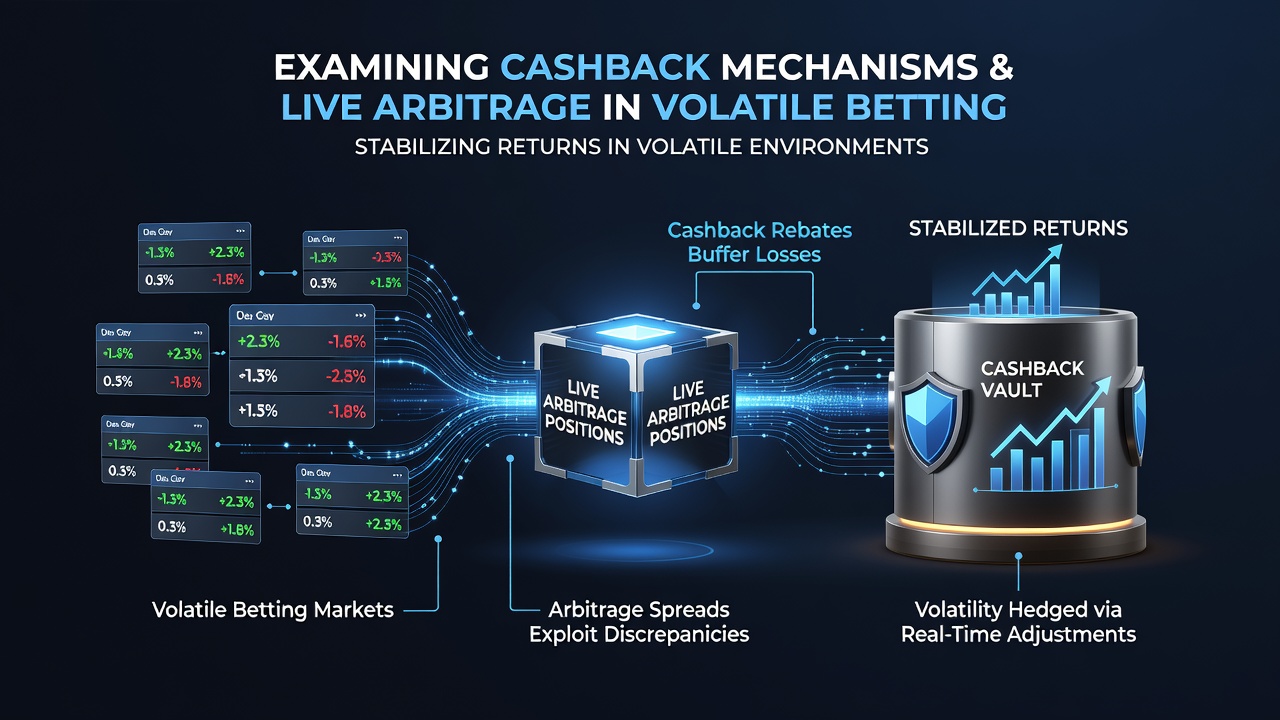
Interplay of Cashback Mechanisms and Live Arbitrage Positions in Fluctuating Betting Markets
Markets for live betting shift rapidly when scores change or new information emerges during events, yet cashback programs operate alongside arbitrage setups to offset potential losses from those movements. Observers note that cashback returns a percentage of stakes or losses after settlement, while live arbitrage locks in differences across multiple bookmakers before odds realign. Data from industry reports indicate that combining these tools produces steadier outcomes because cashback cushions any slippage that occurs when positions must be adjusted mid-event.
Core Mechanics at Work
Cashback structures typically credit accounts based on total turnover or net losses within defined periods, and arbitrage traders monitor odds feeds to place opposing bets that guarantee a small margin regardless of the final result. When volatility spikes, one side of an arbitrage position may require quick closure at less favorable odds, but cashback applied to the overall activity reduces the effective cost of that adjustment. Researchers at academic institutions have documented cases where such layering kept net returns within narrow bands even as point spreads moved by several points in a single half of play.
Live positions demand constant monitoring because bookmakers update lines in real time, and any delay can erase the initial edge. Cashback programs from various operators accumulate across those rapid trades, delivering periodic credits that do not depend on individual bet outcomes. Figures released by the New Jersey Division of Gaming Enforcement show increased use of in-play features through 2025, with operators reporting higher volumes of multi-sided positions that incorporate refund mechanisms.
Stabilization During Volatility Spikes
Volatile periods arise around major tournaments or unexpected roster changes, and traders who maintain live arbitrage books often see temporary imbalances when liquidity thins. Cashback then functions as a counterbalance because the refund percentage applies to the aggregate stake rather than isolated legs. Those who track performance across platforms find that the combined effect narrows the distribution of daily results, turning what might have been larger swings into more predictable increments.
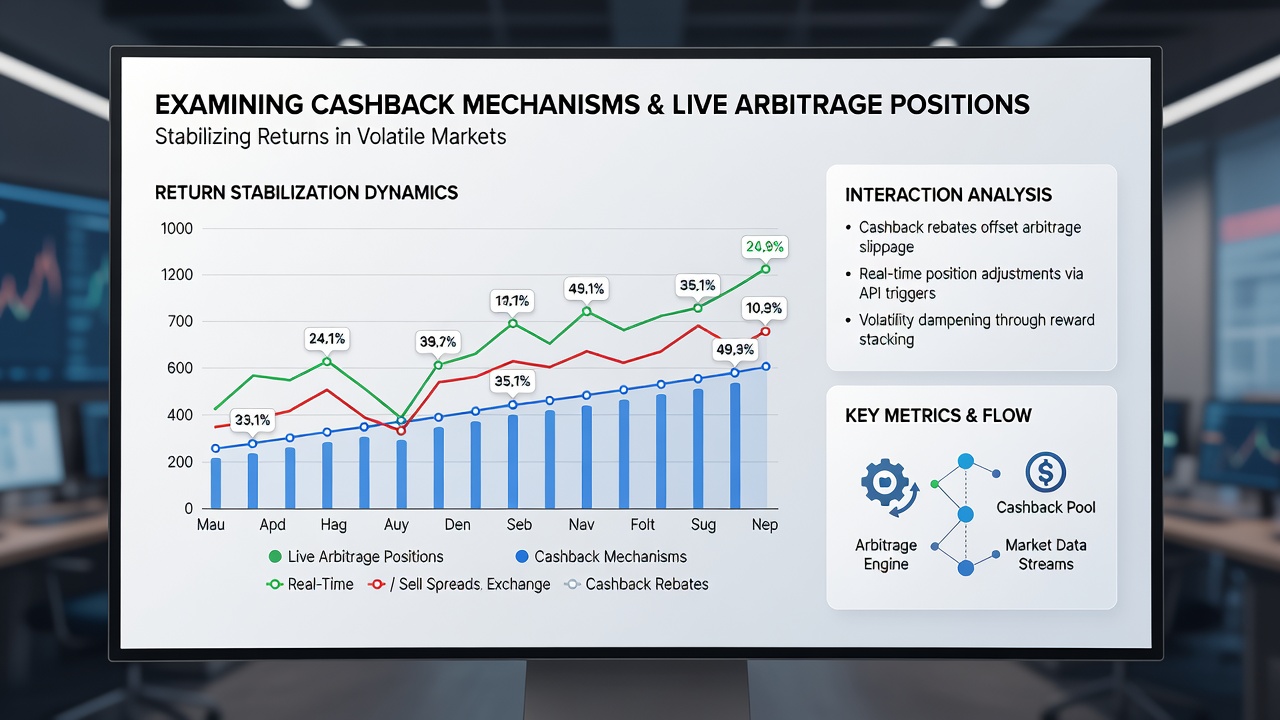
One documented approach involves scaling position sizes according to expected cashback tiers, so larger volumes trigger higher refund rates that offset variance from live odds movements. Reports compiled by the Australian Institute of Criminology highlight similar patterns in regulated markets where rebate structures coincide with in-play trading activity. As of August 2026, several platforms have adjusted cashback thresholds upward, allowing traders to maintain coverage across more events without increasing exposure beyond set limits.
Operational Considerations Across Platforms
Operators apply different rules for cashback eligibility, including minimum activity levels and exclusions for certain bet types, while arbitrage detection systems flag coordinated bets across accounts. Successful execution requires separate funding channels and timing that respects each site's settlement windows. Data compiled by the European Gaming and Betting Association indicates that platforms offering both cashback and deep live markets tend to see sustained participation from users who balance positions across multiple outcomes.
Traders frequently review historical odds movement data to estimate how often live adjustments become necessary, then factor projected cashback into margin calculations. This method keeps overall returns aligned with initial projections even when single events produce outsized price swings. Observers note that the interaction becomes most visible during extended sessions where multiple overlapping events generate continuous position tweaks.
Conclusion
Cashback mechanisms supply a consistent offset that complements the locked margins of live arbitrage, particularly when market conditions produce frequent rebalancing needs. Records from multiple regulatory bodies demonstrate measurable narrowing of return variance when the two approaches operate together. Continued monitoring of platform policies and settlement timing remains essential for maintaining those combined effects over successive trading periods.