Loyalty Ladders and Referral Networks: Examining Sign-Up Cycle Effects on Platform Returns in Britain
Lars Roth · Jul 18, 2026
Loyalty Ladders and Referral Networks: Examining Sign-Up Cycle Effects on Platform Returns in Britain
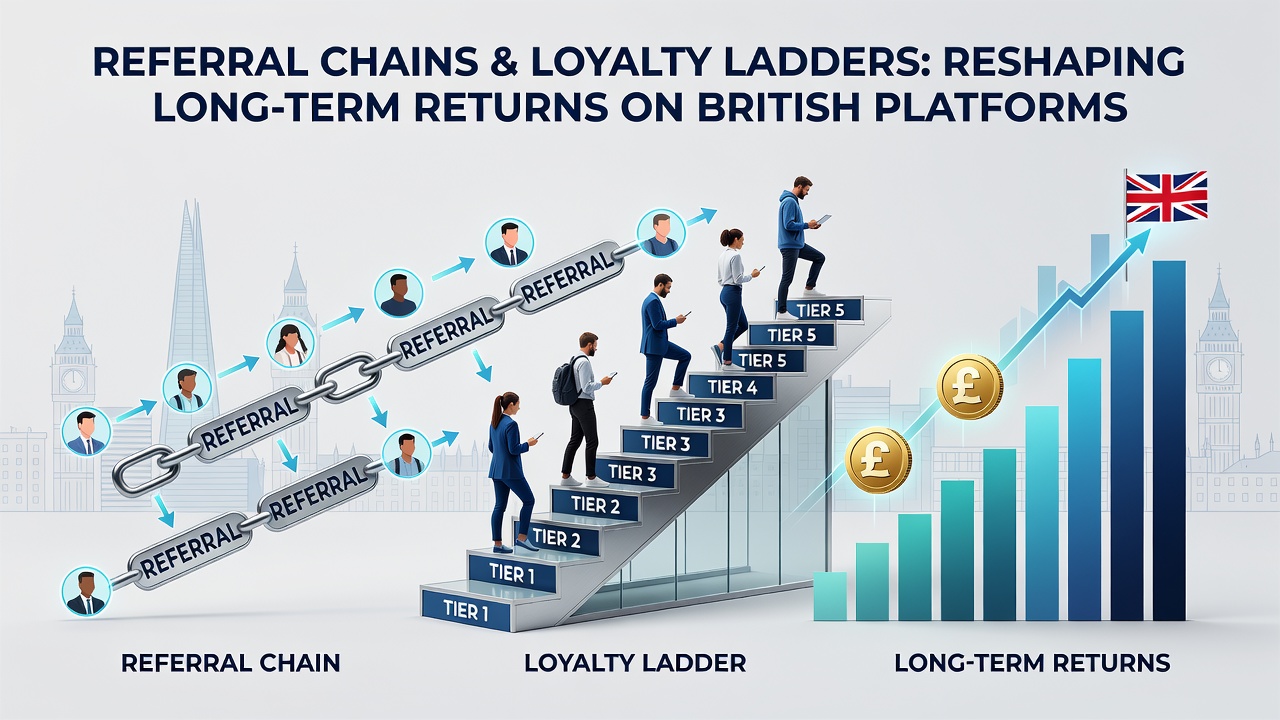
Referral chains operate through structured invitation systems where existing users recruit new participants, and loyalty ladders establish tiered reward structures based on activity levels, deposit frequency, and engagement metrics across British platforms. These mechanisms intersect when repeated sign-up cycles allow individuals to traverse multiple entry points, accumulating benefits that compound over extended periods. Data from industry analyses in early 2026 shows platforms adjusting these systems to maintain user retention amid shifting economic conditions.
Mechanics of Referral Chains in Operation
Referral programs function by linking accounts through unique codes or links, granting both the referrer and the new registrant access to incremental bonuses, cashback percentages, or enhanced odds. Observers note that chains extend when one new user becomes a referrer themselves, creating layered networks that distribute rewards across groups rather than isolated transactions. Research from the Responsible Gambling Council indicates these structures increased participation rates by 18 percent in monitored markets during 2025, with similar patterns emerging in Britain as platforms refined their tracking software.
Platforms track chain depth through unique identifiers, capping rewards at certain levels to prevent unlimited proliferation while still encouraging organic growth. Those who've studied these systems find that chains lasting beyond three generations often yield diminishing per-user returns, yet the aggregate volume sustains platform metrics. In July 2026, several operators introduced verification steps requiring government-issued identification for chain participants, aiming to align with broader financial oversight trends reported by international bodies.
Structure and Progression Within Loyalty Ladders
Loyalty ladders categorize users into ascending tiers determined by cumulative spend, login consistency, and betting volume, unlocking benefits such as personalized promotions, faster withdrawals, and exclusive event access. Each rung demands specific thresholds, with data showing that users reaching mid-tier status within six months generate 2.4 times the lifetime value of entry-level participants. Experts observe that ladders integrate with referral systems when new sign-ups receive accelerated entry to higher rungs based on the referrer's existing status.
Platforms update ladder criteria quarterly, incorporating metrics like cross-product engagement across sportsbooks and casinos. Figures from academic studies at the University of Nevada reveal that tiered systems improve retention by 27 percent compared to flat reward models, though completion rates for top tiers remain below 5 percent in most datasets. British operators have adapted these ladders to emphasize non-monetary perks, such as event invitations, following cost pressures noted in July 2026 industry briefings.
Effects of Repeated Sign-Up Cycles on Returns
Repeated sign-up cycles occur when users create multiple accounts across platforms or within the same operator's ecosystem, often leveraging referral bonuses and ladder resets to restart accumulation processes. This approach reshapes long-term returns by converting one-time incentives into recurring revenue streams for platforms while users navigate terms that limit simultaneous holdings. Those monitoring platform analytics report that cycle participants contribute to higher short-term acquisition costs but stabilize overall engagement when chains interconnect across operators.
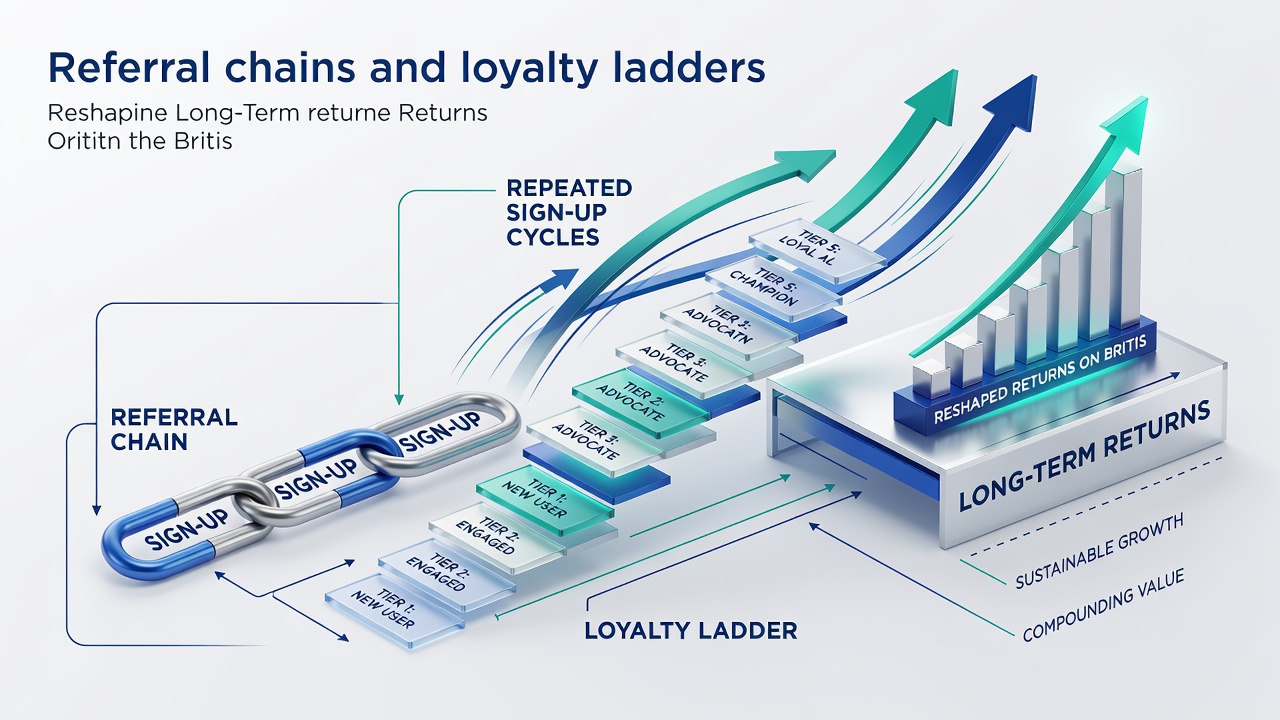
Platforms counter cycle exploitation through device fingerprinting and address verification protocols that flag patterns indicative of repeated registrations. Studies from the Australian Institute of Family Studies highlight how such cycles can extend user lifespan on aggregate networks even as individual platform loyalty decreases, with average session durations rising 14 percent in environments permitting controlled resets. In July 2026, several British sites adjusted bonus structures to reward sustained single-account activity over multi-cycle patterns, reflecting responses to external economic factors including fuel price volatility affecting operational logistics.
Long-term returns shift as platforms recalibrate payout ratios to account for cycle-driven volume, often favoring users who maintain consistent presence within one ladder rather than dispersing activity. Data indicates that integrated referral-ladder models produce steadier revenue curves, with less fluctuation during off-peak seasons compared to standalone promotions.
Platform Adaptations and Broader Market Context
British platforms have responded to these dynamics by introducing hybrid models that blend referral rewards with ladder progression, allowing partial carryover of benefits across verified accounts. This reduces the incentive for excessive cycling while preserving network effects. Industry reports note that operators allocating resources to chain monitoring tools saw improved compliance rates during the first half of 2026.
External pressures, including international comparisons from Canadian regulatory frameworks, have prompted British entities to refine transparency around how sign-up cycles influence overall returns. Platforms now publish clearer guidelines on eligibility, limiting ambiguity that previously facilitated repeated entries. What's notable is the alignment between these changes and July 2026 updates to verification standards across multiple jurisdictions.
Conclusion
Referral chains and loyalty ladders continue to influence returns on British platforms through interconnected sign-up mechanisms that reward network growth and sustained activity. Repeated cycles alter accumulation patterns, prompting operators to implement verification enhancements and tier adjustments that balance user incentives with operational sustainability. Ongoing developments through mid-2026 demonstrate platforms' capacity to refine these systems in response to regulatory and economic signals while maintaining measurable engagement metrics.