Loyalty Tier Progressions: Tracing Their Influence on Accumulator Payout Adjustments
Lars Roth · Jun 9, 2026
Loyalty Tier Progressions: Tracing Their Influence on Accumulator Payout Adjustments
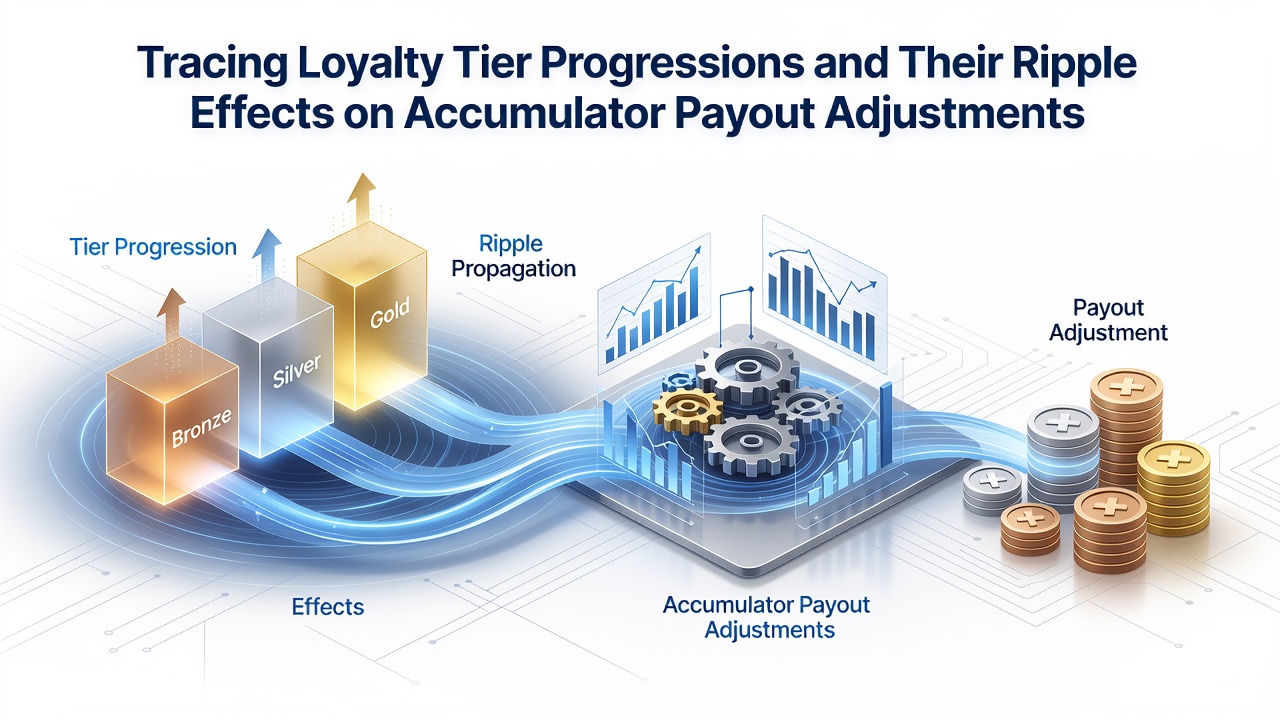
Betting platforms maintain structured loyalty programs that advance users through multiple tiers based on accumulated activity metrics such as wager volume and frequency. These systems create pathways where higher tiers unlock modified accumulator payout structures, including enhanced multipliers or adjusted odds that scale with progression. Observers note that accumulator bets, which combine multiple selections into single wagers with compounded returns, often receive targeted adjustments as accounts move upward through loyalty levels.
Mechanics of Tier Advancement Systems
Platforms calculate tier status through points earned from qualifying bets, deposits, and engagement periods, with thresholds that reset on annual cycles in many cases. Data indicates users reaching intermediate tiers gain access to accumulator bonuses ranging from 5 to 15 percent on select multi-leg markets, while top tiers introduce further scaling that can reach 25 percent or higher depending on the operator's framework. Researchers have tracked these progressions across platforms where point accrual accelerates during promotional windows, allowing faster movement between levels adn corresponding payout recalibrations.
Accumulator adjustments typically apply through automated systems that reference account tier data at the time of bet placement. Those who've examined operator documentation find that payout formulas incorporate tier coefficients which modify the overall return multiplier, often without altering individual leg odds but instead boosting the final combined figure. Evidence suggests these changes stem from backend algorithms designed to retain active participants by aligning rewards with sustained engagement patterns.
Observed Ripple Effects on Accumulator Returns
Progression through loyalty tiers generates downstream effects on accumulator strategies because payout enhancements become available only after specific thresholds are met. Platforms frequently apply these adjustments during live events or pre-match windows, where users in elevated tiers see revised total payouts displayed before confirmation. Figures from industry tracking reveal that accumulator volumes increase among accounts in upper tiers, coinciding with the rollout of tier-specific payout boosts in mid-2025 cycles.
By June 2026 several major operators had introduced revised tier ladders that incorporated additional intermediate levels, each carrying distinct accumulator multiplier increments. This shift allowed more granular progression tracking and produced measurable changes in average returns for multi-selection bets placed by advancing accounts. External analyses link these updates to broader platform efforts aimed at balancing reward distribution across user segments.
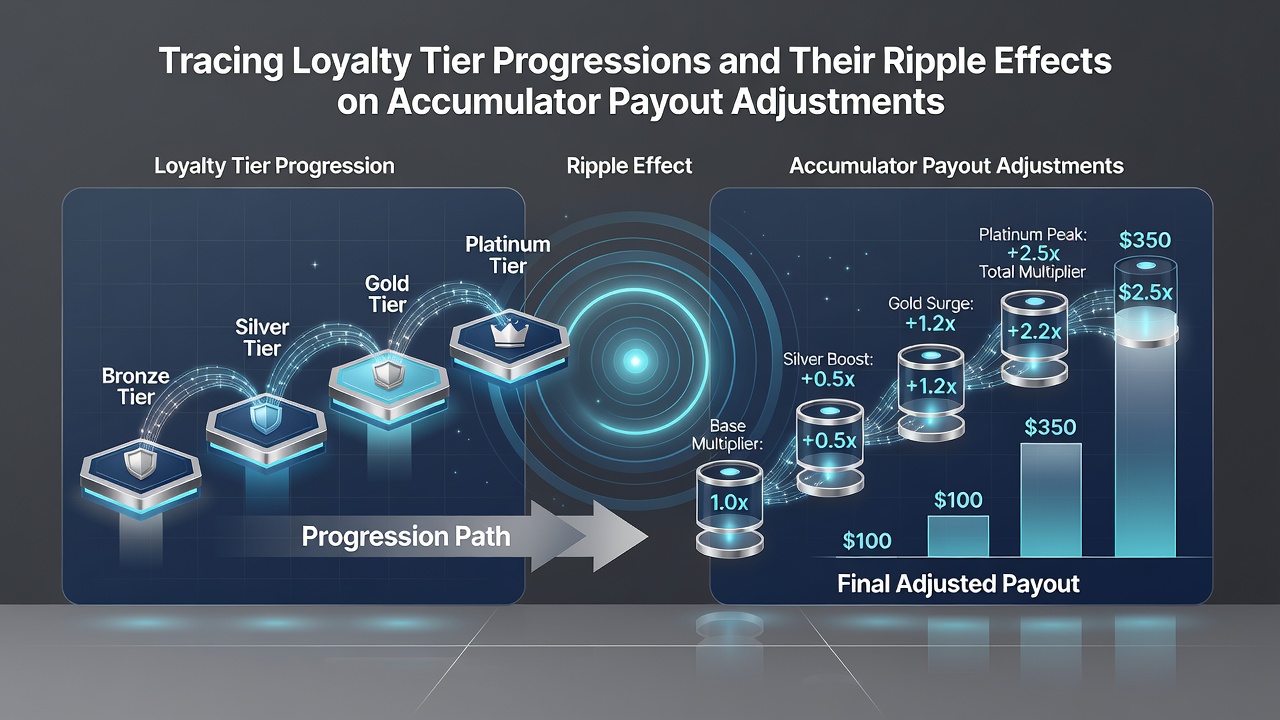
One documented pattern shows that tier advancements correlate with reduced effective margins on accumulator products for qualifying users. Operators achieve this through direct multiplier additions rather than leg-specific enhancements, creating opportunities where combined selections yield higher net returns than standard calculations would predict. Data from platform audits demonstrates consistent application of these rules once tier status updates are confirmed in user profiles.
Integration With Broader Platform Features
Loyalty tier data feeds into other promotional tools such as cashback programs and risk-free accumulator trials, where higher levels receive expanded eligibility windows. Studies conducted by industry research groups indicate that users who advance tiers experience compounding benefits because accumulator payout adjustments interact with existing bonus structures without overriding them. This layering produces adjusted return profiles that reflect both tier status and concurrent promotions active at placement time.
European Gaming and Betting Association reports highlight how tier progression tracking has become standardized across multiple jurisdictions, enabling cross-platform comparisons of accumulator adjustment rates. Those comparisons reveal variation in multiplier scales yet consistent methodology in how tier verification triggers payout recalculations before bet settlement.
Additional linkages appear when platforms synchronize tier systems with seasonal events, during which accumulator markets receive temporary payout uplifts reserved for accounts at or above designated levels. Tracking data shows these event-based adjustments further amplify returns for users who time their tier advancements to coincide with such periods.
Data Patterns Across User Cohorts
Longitudinal records maintained by betting operators demonstrate that accounts progressing through three or more tiers within a twelve-month span record elevated accumulator participation rates alongside increased average payout values. These patterns hold after controlling for overall wager volume, suggesting the tier-linked adjustments contribute independently to return differences. Analysts examining aggregated datasets note the effect appears most pronounced in football and horse racing accumulator categories where leg counts typically exceed four selections.
Adjustments also influence cash-out valuations for in-progress accumulators, with higher-tier accounts receiving modified early settlement offers that incorporate their elevated multiplier status. This creates distinct decision points during live events compared to lower-tier accounts facing standard valuation formulas.
Conclusion
Loyalty tier progressions establish direct pathways through which accumulator payout structures receive systematic recalibrations on betting platforms. These mechanisms operate via automated verification processes that apply tier-specific coefficients to combined bet returns, producing measurable shifts in final settlement amounts. Available records show continued evolution in tier frameworks through 2026, with operators refining intermediate levels and associated multipliers to align with user activity data. External sources including the European Gaming and Betting Association provide ongoing documentation of these structural changes across regulated markets.