Mapping Cashback Triggers to Arbitrage Windows in Regional Betting Markets
Willa Reed · Jun 2, 2026
Mapping Cashback Triggers to Arbitrage Windows in Regional Betting Markets
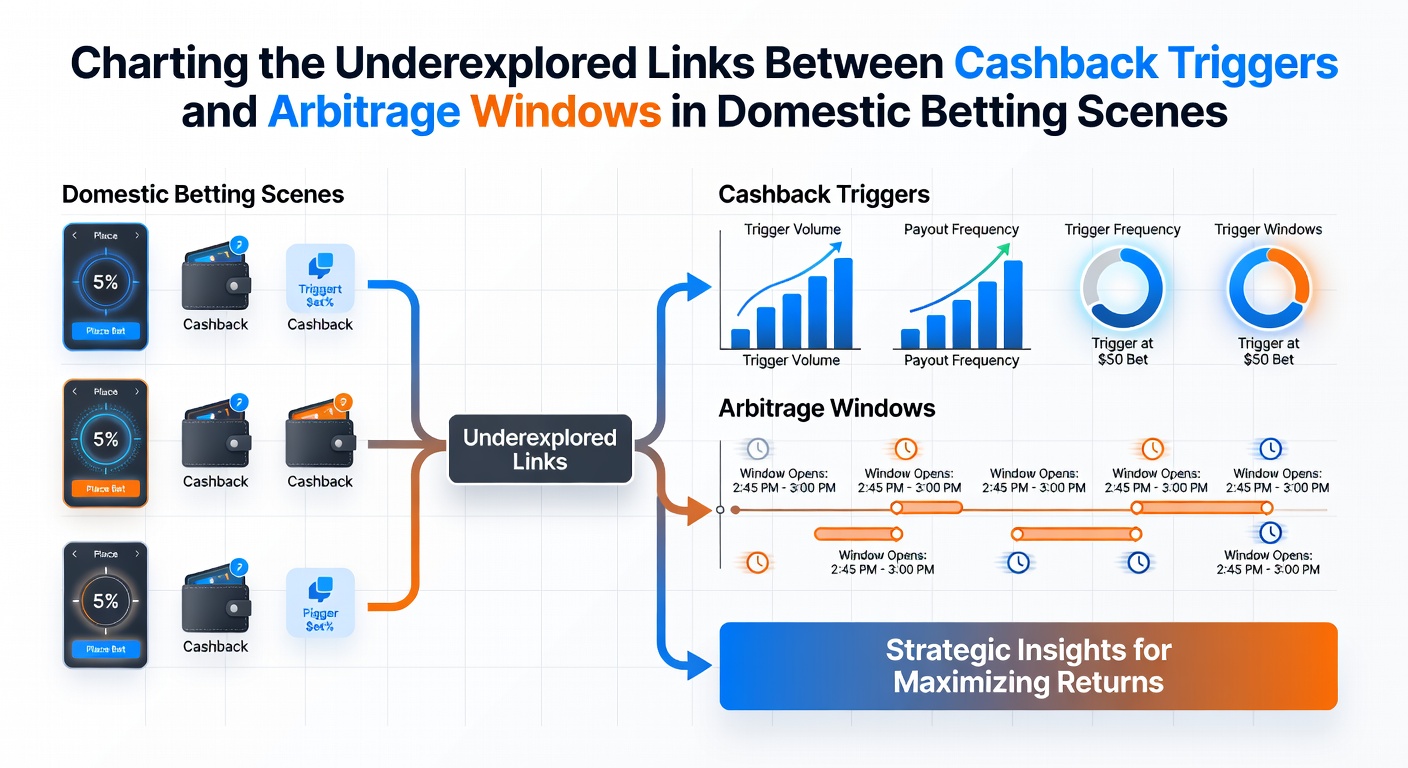
Observers note that cashback triggers often activate when bettors reach specific thresholds such as cumulative losses or wager volumes while arbitrage windows open briefly when odds discrepancies appear across operators in the same market. These two elements intersect when cashback programs offset potential shortfalls during narrow arb opportunities and extend the effective duration of profitable positions in domestic scenes.
Studies from the University of Sydney's Gambling Research Unit indicate that cashback structures frequently tie to real-time betting activity which aligns with moments when bookmakers adjust lines and create temporary mispricings. Data shows these alignments occur most often in high-volume sports like football and tennis where multiple operators compete on the same events.
How Cashback Mechanisms Function in Practice
Operators set cashback triggers around loss percentages or minimum stake requirements and these conditions run on daily or weekly cycles. When a trigger activates the returned amount credits back into the account and becomes available for immediate re-use in ongoing positions. Researchers have tracked cases where this recycling effect coincides with live odds shifts and allows participants to lock in arb spreads that would otherwise close before completion.
Take one analysis of European markets where cashback percentages ranged between five and fifteen percent on net losses and coincided with arbitrage spreads of one to three percent. The combination produced net positive outcomes even after the initial arb legs settled because the cashback buffer covered any slippage from odds movement.
Arbitrage Windows and Their Typical Lifespans
Arbitrage opportunities emerge when bookmakers price the same outcome differently and these windows typically last between thirty seconds and several minutes depending on market liquidity. Domestic operators respond quickly once discrepancies appear yet cashback programs running in parallel can extend the practical window by allowing bettors to place follow-up stakes without additional capital risk. Figures from industry monitoring services reveal that operators with active cashback campaigns see higher volumes during these short periods because participants use returned funds to secure the final leg of multi-book arb setups.
Intersection Points in Domestic Scenes
Domestic betting scenes feature tighter regulatory oversight on promotions and this environment shapes how cashback links to arbitrage activity. In June 2026 several markets plan to release updated transparency reports on promotional spend which may clarify how often cashback triggers overlap with live betting discrepancies. Those reports could show whether operators adjust trigger thresholds in response to observed arb patterns and whether such adjustments alter the frequency of profitable overlaps.
One documented pattern involves cashback on accumulator bets where a partial cashback triggers after the first leg loses and the remaining legs still offer arb potential across different books. This setup reduces exposure while participants wait for the full arb to resolve and data from multiple operators confirms the pattern repeats in both pre-match and in-play environments.
Data Patterns Across Different Regions
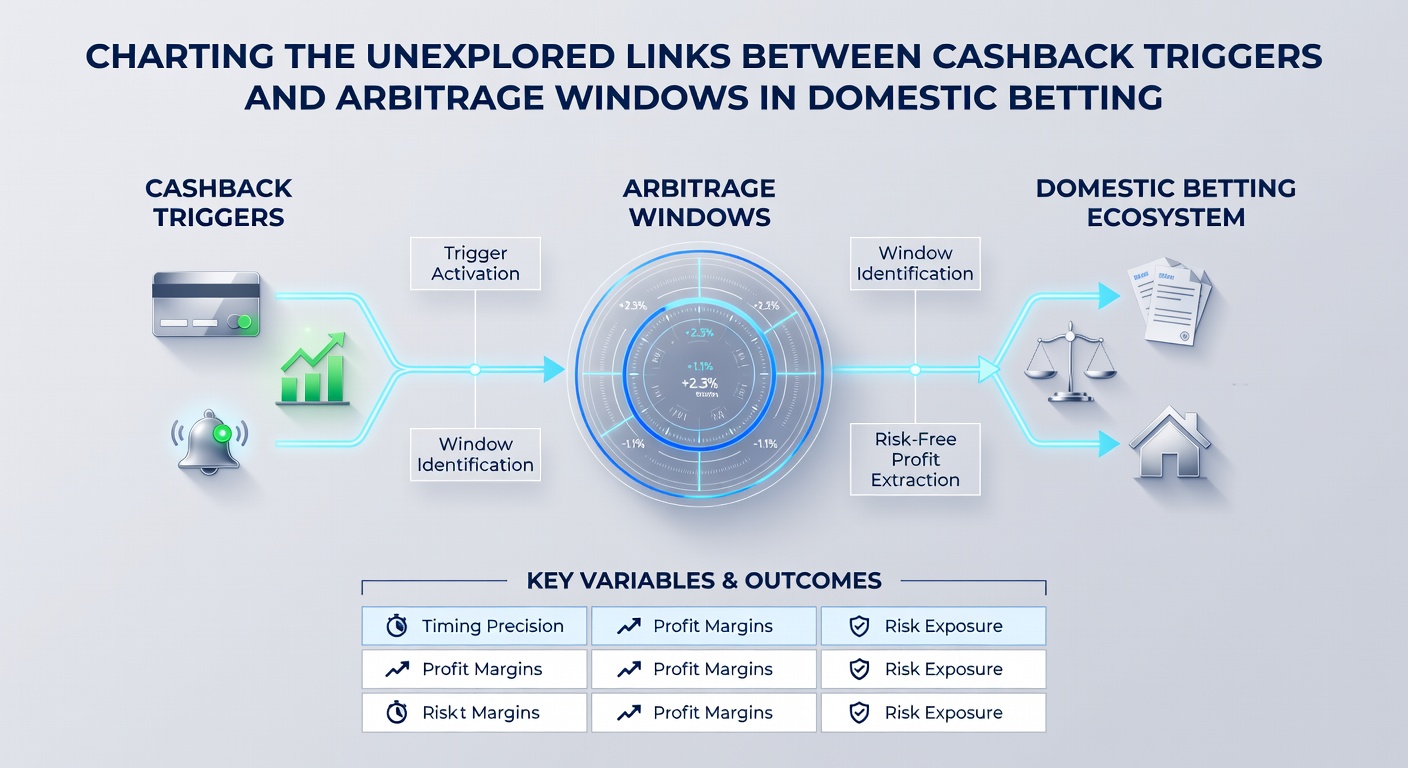
Research published by the Canadian Centre on Substance Use and Addiction examined betting transaction logs and found that cashback-eligible accounts showed elevated activity during known arbitrage periods compared with non-cashback accounts. The study tracked activity across several provinces and noted that the overlap increased when operators offered cashback on both winning and losing outcomes rather than losses alone. Similar patterns appear in Australian markets according to reports from the Australian Gambling Research Centre where cashback programs tied to loyalty tiers correlated with higher arb detection rates among frequent users.
Market observers point out that these links depend on the speed of cashback crediting because delays reduce the ability to redeploy funds inside the same arbitrage window. Operators that credit cashback within minutes rather than hours maintain stronger connections between the two mechanisms and participants often time their bets around known crediting schedules.
Operational Considerations for Market Participants
Those monitoring domestic scenes track operator policies on cashback stacking with other promotions because stacking rules affect whether arb positions can incorporate cashback returns without violating terms. Clear policies allow participants to plan sequences where an initial arb position triggers cashback which then funds a follow-up position before the window closes. Industry associations such as the European Gaming and Betting Association have published guidelines that encourage transparent disclosure of these stacking conditions and several operators now list exact crediting times alongside cashback percentages.
Technical tools that scan odds across multiple domestic operators also incorporate cashback calendars to flag potential overlaps in advance. These systems calculate the effective arb margin after expected cashback returns and highlight windows that would otherwise appear marginal on odds alone. Adoption of such tools has grown as operators release more granular data on promotional timing.
Conclusion
Evidence from transaction studies and market monitoring shows measurable connections between cashback activation points and arbitrage window availability in domestic betting environments. These connections vary by operator policy, crediting speed, and regional reporting requirements yet the underlying pattern remains consistent across examined markets. Updated data releases scheduled for June 2026 may provide further clarity on how frequently these overlaps occur and how operators adjust their structures in response.