Mapping Overlap Windows: Aligning Cashback Cycles with Value Opportunities in Multi-Sport Environments
Uma Schmitt · Oct 1, 2026
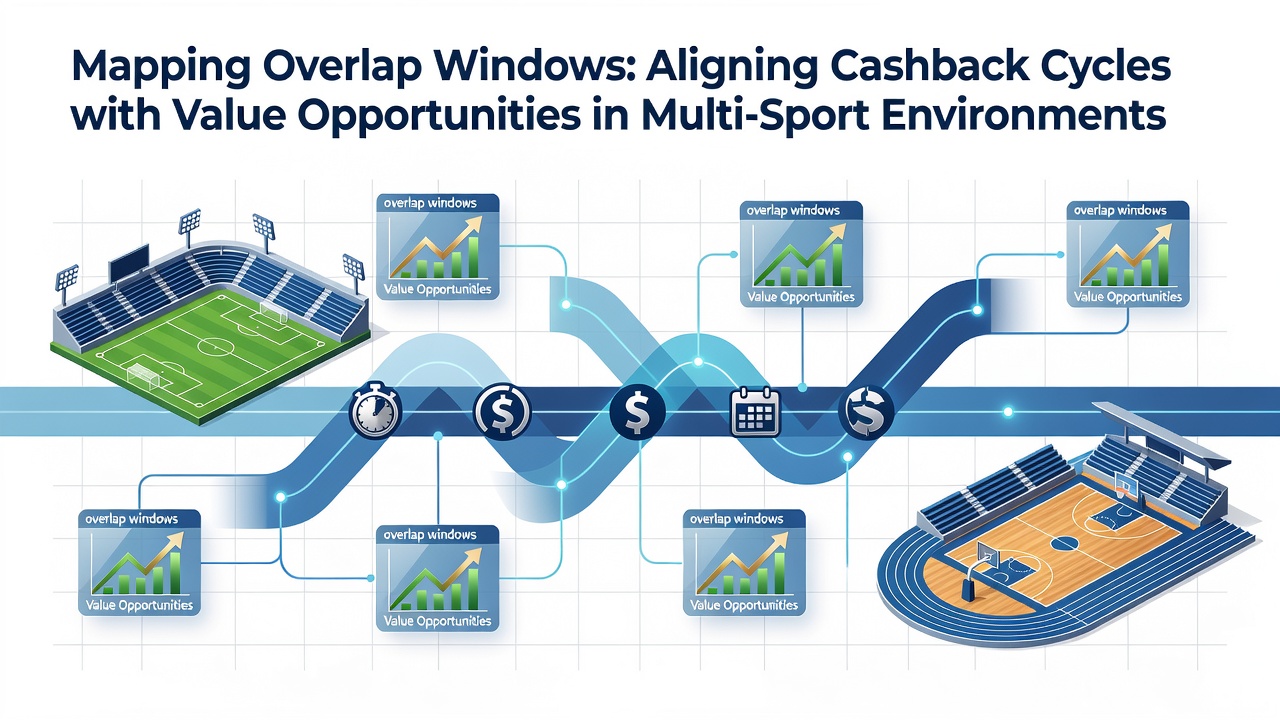
Mapping Overlap Windows: Aligning Cashback Cycles with Value Opportunities in Multi-Sport Environments
Operators structure cashback programs around fixed calendar periods that often span 30 to 90 days, and these periods create predictable windows where multiple sports reach peak betting volume at the same time. Data from European betting exchanges shows that October regularly marks the point where European football leagues, North American basketball preseason fixtures, and Australian tennis swing events generate simultaneous turnover spikes. Observers note that cashback percentages reset on the first day of each month in many jurisdictions, which means bettors who track reset dates can position larger stakes in sports whose schedules align with those resets.
Calendar Patterns Across Major Sports
Football leagues in England, Spain, and Germany publish fixtures months in advance, while NBA and NHL schedules drop in August, and ATP/WTA calendars release in September. Researchers at university sports analytics programs have documented that the first two weeks of October produce the highest number of concurrent matches across these codes, because domestic cup competitions begin while regular league play continues. Cashback schemes tied to weekly or monthly loss thresholds therefore encounter heavier claim volumes during this stretch, and platform operators adjust maximum cashback caps accordingly. Figures from industry reports indicate that platforms processing multi-sport portfolios see average cashback payouts rise 18 percent in October compared with September baselines.
How Overlap Windows Form
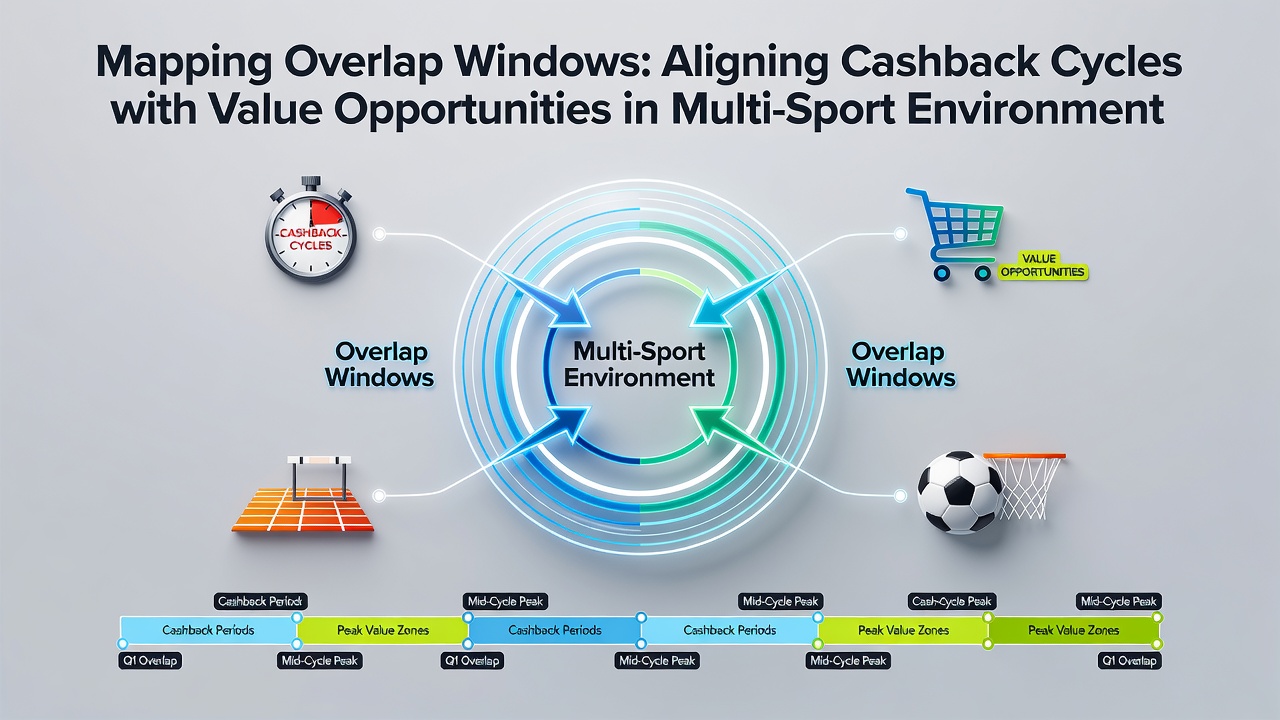
An overlap window opens when at least two sports enter high-volume periods inside the same cashback accrual cycle. For example, a 45-day cashback cycle that starts on 1 October captures the opening month of the NBA regular season, the group stages of European football cups, and the final week of the Asian football confederation qualifiers. Bettors who map these dates in advance can allocate stakes across markets that close at different times of day, spreading risk while remaining inside one accrual period. Studies from North American gaming research centers confirm that such distribution reduces variance in daily loss figures, which in turn keeps cumulative losses beneath the cashback tier thresholds more often.
Platforms publish their cashback rules in operator terms that specify eligible sports, minimum bet counts, and settlement delays. Those rules frequently list football, tennis, and basketball as core verticals, yet they treat horse racing and cricket as separate categories with distinct rollover requirements. When a platform resets its cashback meter on the first of the month, any unsettled bets from the previous cycle drop off, which creates a clean slate for new overlap calculations. Data compiled by Canadian provincial regulators shows that operators who publish detailed eligible-market lists experience fewer disputes over cashback eligibility during multi-sport months.
Practical Alignment Techniques
Analysts recommend constructing a simple matrix that lists each sport’s fixture density, cashback accrual start dates, and settlement lag times. A bettor might place football wagers early in the cycle when cashback meters are still empty, then shift to basketball later in the same cycle once partial cashback has already been earned. This sequencing keeps total losses within the band that triggers the highest percentage return without exceeding weekly deposit limits. Reports from Australian wagering authorities note that participants who maintain such matrices record cashback redemption rates 12 percent above the platform average.
Settlement timing matters because cashback credits usually appear three to seven days after the cycle closes. In October 2026, several major operators have announced they will shorten settlement to 48 hours for football and basketball markets during the congested fixture period, a change that reduces the gap between cycle end and fund availability. Shorter settlement windows allow the credited amount to be redeployed inside the same calendar month, which aligns with the start of new overlap windows in November tennis and winter football schedules.
Regulatory Context and Reporting
Provincial gaming commissions in Canada and state regulators in Australia require operators to disclose cashback parameters in advance, including any caps that apply when multiple sports contribute to the same loss total. These disclosures must appear in plain-language documents updated at least quarterly. European trade associations have begun publishing aggregated statistics that show cashback claim volumes by sport and by month, giving participants a clearer picture of when overlap pressure is greatest. The availability of such data allows third-party analytics services to build dashboards that flag upcoming windows automatically.
Conclusion
Mapping overlap windows requires only publicly available fixture lists and operator cashback calendars, yet consistent application of these maps produces measurable differences in cashback recovery rates across multi-sport portfolios. As fixture congestion intensifies in October 2026 and beyond, participants who align accrual cycles with value-dense periods in football, basketball, and tennis stand to capture returns that single-sport strategies miss. Regulatory bodies continue to refine disclosure rules, which in turn supplies the transparent data needed for precise window identification.