Precision Pairings: Aligning Cashback Rebates with Market Discrepancy Tools for Layered Returns
Willa Becker · Aug 27, 2026

Precision Pairings: Aligning Cashback Rebates with Market Discrepancy Tools for Layered Returns
Market participants have long tracked cashback programs that return a percentage of stakes across multiple operators, and these mechanisms now intersect with software designed to identify pricing inconsistencies between exchanges and bookmakers, creating structured pathways for combined returns that accumulate over sequential events rather than isolated wagers.
Core Mechanics of Cashback Structures
Operators in various jurisdictions publish cashback tiers that activate after a threshold volume of activity, with percentages ranging from 5 to 15 percent depending on weekly or monthly turnover, and these payouts credit directly to player accounts without requiring additional deposits in most documented cases. Data from European operators indicates that participants who maintain consistent activity levels across three or more platforms receive compounded credits that offset variance in individual outcomes, while industry reports note that such programs operate alongside standard odds without altering base pricing.
Market Discrepancy Detection Systems
Specialized tools scan real-time feeds from multiple sources to flag instances where implied probabilities diverge by margins sufficient to support risk-managed positions, and users configure alerts that trigger when spreads exceed predefined thresholds such as 2.5 percent or higher. Research published by academic centers in Australia shows these scanners process thousands of markets hourly, with accuracy rates verified through backtesting against historical exchange data, and operators in Canada have referenced similar technologies when discussing platform compliance standards.
Integration Approaches Observed in Practice
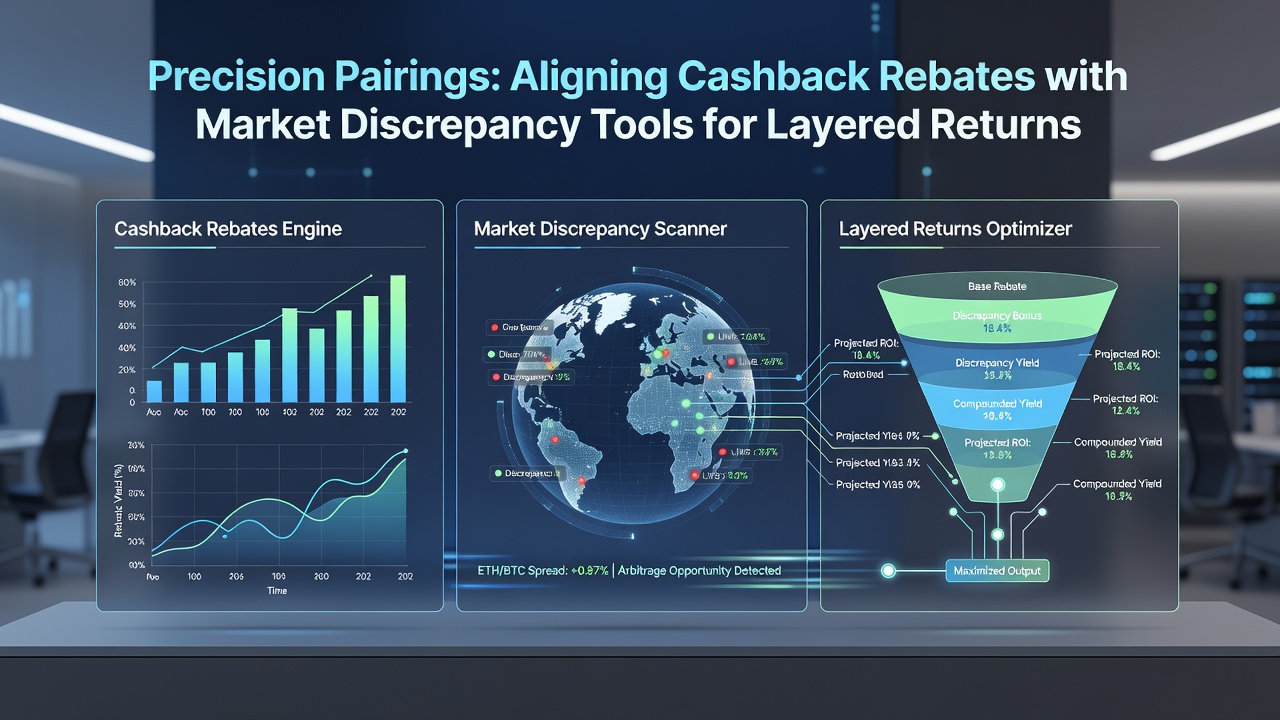
Participants combine cashback eligibility tracking with discrepancy alerts by allocating portions of bankroll to matched positions that qualify for both rebate tiers and positive expected value from identified spreads, and this layering occurs when software flags opportunities that also satisfy volume requirements set by cashback providers. One documented workflow involves routing a base stake through a discrepancy lock while simultaneously logging activity toward a separate cashback cycle, allowing returns to build from the rebate percentage even if the primary position settles near break-even. Figures from North American market analyses reveal that such pairings appear most frequently in high-volume periods, particularly during summer tournament calendars that extend into August 2026, when liquidity across multiple sports increases the frequency of detectable pricing gaps.
Operational Considerations Across Regions
Regulatory frameworks in the European Union require clear disclosure of cashback terms, including minimum activity thresholds and exclusion lists, while platforms operating under Australian oversight publish reconciliation reports that detail how discrepancy tools interact with promotional credits. Observers note that alignment succeeds when users cross-reference tool outputs against each operator's rebate schedule before committing stakes, and case examples from Canadian provincial markets illustrate participants who segment accounts to isolate rebate-qualifying volume from discrepancy-driven entries. What's interesting is that these methods rely on simultaneous monitoring rather than sequential execution, since delays between identification and placement can erode the margins that make layering viable.
Industry organizations such as the European Gaming and Betting Association have published guidance on transparency requirements that affect both rebate programs and third-party software usage, and a separate study conducted at the University of British Columbia examined participant behavior when multiple return streams operate concurrently. Those findings indicate that structured record-keeping of qualifying stakes correlates with higher retention of layered credits across reporting periods.
Trends Emerging in Mid-2026
Platform updates scheduled around August 2026 include enhanced API access for discrepancy scanners, allowing faster synchronization with cashback ledgers, and several operators have announced revised tier structures that reward cross-platform activity verified through shared tracking identifiers. Data released by provincial regulators in Ontario shows increased registration of multi-account users who employ these paired systems, with average session volumes rising during periods of elevated market liquidity. Yet participants must still navigate exclusion clauses that prevent certain event types from contributing to either stream, and software providers continue to refine filters that exclude restricted markets automatically.
Conclusion
Precision pairings of cashback rebates with market discrepancy tools rest on documented mechanics of volume tracking, real-time scanning, and regulatory compliance across multiple jurisdictions, and available figures confirm that these elements can operate concurrently when users maintain separate accounting for each return channel. Continued platform developments through 2026 are expected to refine integration points further, though outcomes remain dependent on accurate identification of eligible opportunities within published terms.