Promo Synchronization in Niche Betting Markets: Deposit Matches and Refund Alignments Driving Returns
Uma Schmitt · Jul 7, 2026
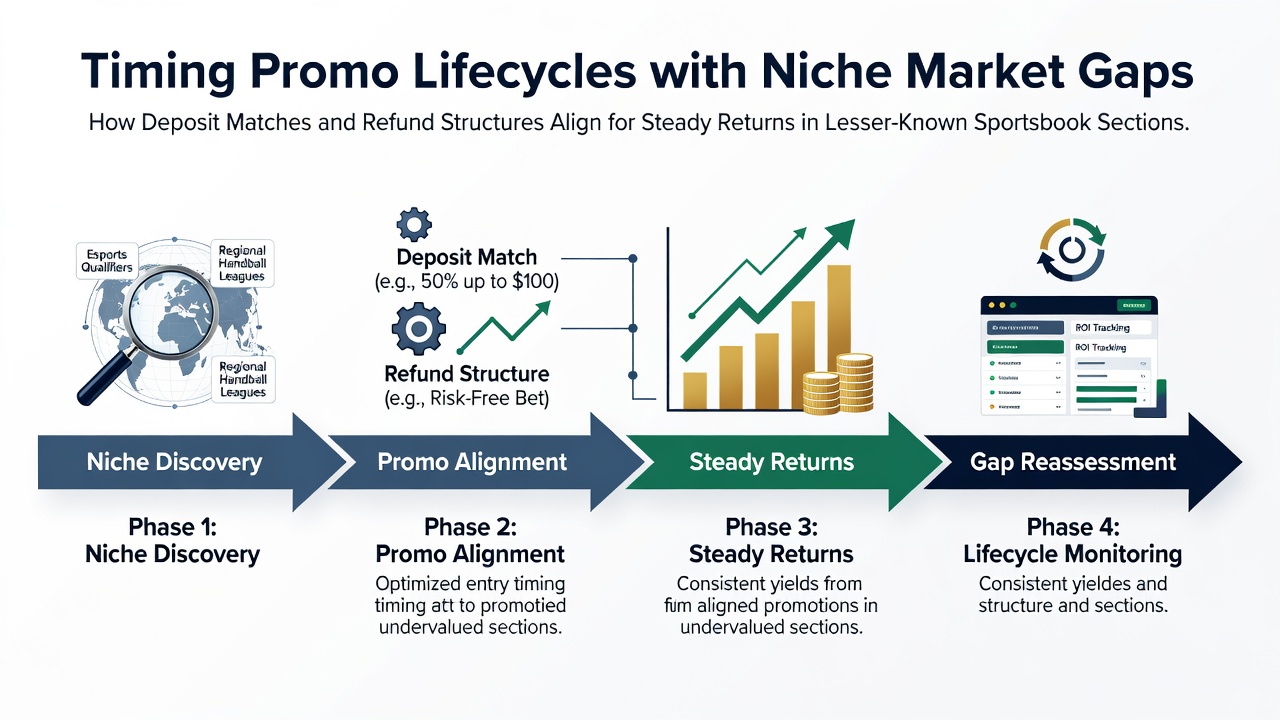
Promo Synchronization in Niche Betting Markets: Deposit Matches and Refund Alignments Driving Returns
Lesser-known sportsbook sections such as table tennis, darts, and handball often feature promo lifecycles that last between seven and thirty days, and deposit matches in these areas typically require minimum deposits ranging from £10 to £50 while offering percentage bonuses up to 100 percent. Researchers at various industry institutes have tracked how these cycles intersect with refund structures that return between 10 and 50 percent of net losses on qualifying bets placed within specified windows.
Market Gaps and Lifecycle Patterns
Observers note that gaps emerge when major sports dominate promotional attention, leaving secondary markets with lower bettor volume and fewer competing offers. Data from the European Gaming and Betting Association indicates that participation in niche events rose 8 percent year-over-year through mid-2025, creating space for operators to run targeted deposit matches that activate upon first funding and expire after 14 days if unused. Those who monitor these patterns find that refund mechanisms frequently reset on a weekly basis, allowing repeated claims provided the user maintains activity thresholds such as placing three bets per cycle at minimum odds of 1.5.
Deposit Match Mechanics Across Regions
Operators in North American and Australian markets structure deposit matches so that funds appear in a bonus balance separate from the cash wallet, with wagering requirements set between 5x and 10x the combined deposit and bonus amount. Figures released by the Nevada Gaming Control Board show that such structures in emerging categories like beach volleyball and badminton produced average player retention periods of 22 days when paired with loss refunds issued as free bets valid for seven additional days. Alignment occurs because the deposit match window often overlaps the first refund payout date, which lets users recycle returned value into fresh qualifying stakes before the initial promotion closes.
What's interesting is how timing these overlaps reduces idle capital periods. A bettor who deposits on day one receives the match immediately, places wagers across days two through six, then receives a refund credit on day seven that can fund further bets before the original match expires on day fourteen.
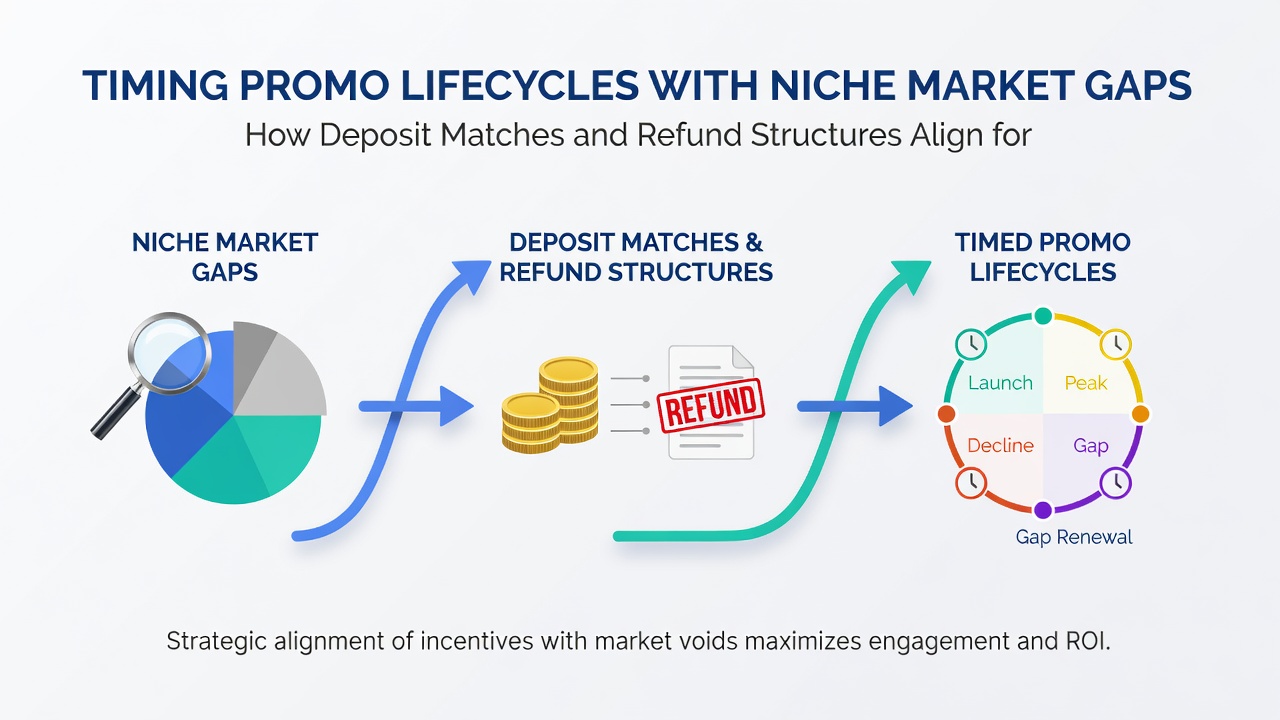
Refund Structures and Their Integration Points
Refund offers in these sections commonly calculate eligibility on net losses after all winnings are subtracted, with caps ranging from £25 to £100 per week. Australian gambling research centers have documented that when refunds arrive as bonus funds carrying 3x wagering, the effective cost of participation drops because the same capital satisfies both the deposit match rollover and the refund condition simultaneously. In July 2026 several platforms plan to introduce synchronized calendars that display exact expiry dates for deposit matches alongside upcoming refund claim windows, reducing instances where users miss alignment opportunities.
Practical Alignment Examples
One documented case involved a deposit match activated on a Monday for table tennis events, with a 20 percent loss refund credited every Friday. Bettors who structured stakes to conclude before each Friday payout could immediately apply the refund toward remaining match wagering, completing requirements by the following Wednesday. Reports from the Canadian Gaming Association highlight similar patterns in curling and snooker sections where refund percentages scale with deposit size, encouraging larger initial funding that extends the usable lifecycle by an average of four days.
Operational Considerations for Operators
Operators adjust lifecycle lengths based on seasonal event calendars, shortening deposit match durations during high-volume periods and extending them when niche fixtures dominate. Evidence from multiple regulatory filings reveals that platforms tracking these adjustments achieve higher completion rates for bonus terms because users encounter fewer conflicts between refund issuance dates and deposit match expirations. Integration becomes straightforward once operators publish unified calendars that list all active offers with shared start and end timestamps.
Conclusion
Deposit matches and refund structures in lesser-known sportsbook sections demonstrate measurable alignment when their respective lifecycles overlap at predictable intervals. Industry data continues to show that users who map these intervals can move value through the system without extended idle periods. As platforms refine calendar tools ahead of July 2026, the synchronization between these two promo types is expected to become more transparent across additional niche categories.