Referral Incentives and Niche Tailoring: Dynamics on Today's Mobile Platforms
Lars Roth · Jul 28, 2026
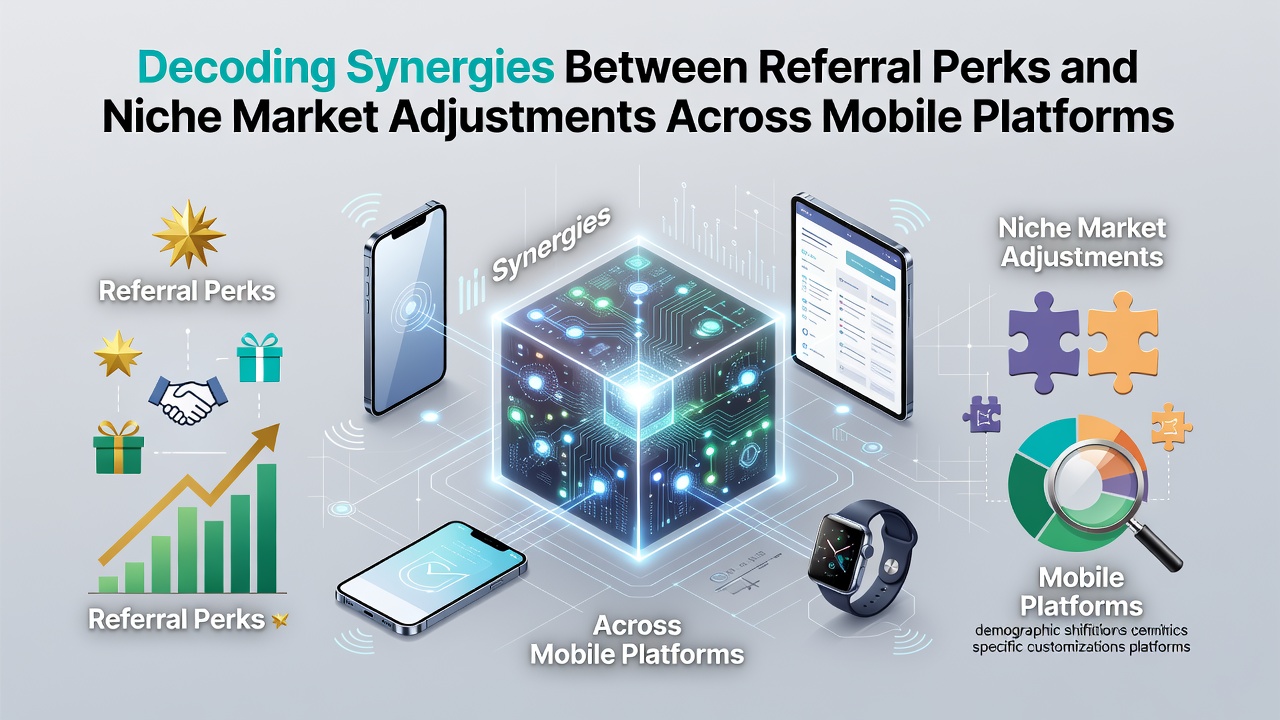
Referral Incentives and Niche Tailoring: Dynamics on Today's Mobile Platforms
Referral programs on mobile platforms continue to evolve alongside adjustments that address specific niche segments, and observers note how these elements interact in measurable ways across app ecosystems. Data from industry reports in July 2026 shows increased integration of personalized referral incentives with localized content adjustments, particularly in sectors such as e-commerce, health tracking, and productivity tools. Companies track user acquisition costs while refining how rewards scale with user engagement patterns in distinct demographic pockets.
Core Components of Referral Perks in Mobile Environments
Referral perks typically operate through structured reward systems where existing users receive credits, discounts, or feature unlocks after successful invitations, and mobile platforms facilitate these through in-app notifications and shareable links. Research from digital marketing analyses indicates that conversion rates rise when rewards align directly with niche user preferences, such as fitness milestone bonuses in wellness apps or bulk purchase credits in specialty retail applications. Those who have studied app store metrics find that seamless integration with device-level sharing functions, including social media buttons and messaging integrations, drives higher participation without requiring additional user steps.
Adjustments for Niche Markets on Mobile Devices
Niche market adjustments involve tailoring app features, content delivery, and interface elements to serve smaller user groups defined by interests, locations, or behaviors, and mobile platforms support this through data segmentation tools. Figures from a 2025 Pew Research Center study on digital adoption reveal that apps incorporating region-specific language options and category filters see retention improvements of up to 18 percent in targeted cohorts. Developers adjust algorithm priorities so that referral prompts appear more frequently within niche communities, such as hobbyist forums embedded in craft supply apps or professional networking modules in industry-specific software.
What's interesting is how these adjustments create feedback loops where referred users from niche segments contribute additional data points that refine future personalization, and this cycle strengthens when platforms update their backend systems quarterly. In July 2026 several major app providers rolled out enhanced analytics dashboards that correlate referral success rates with niche filter usage, allowing operators to shift promotional emphasis in real time.
Observed Synergies Across Platforms
Synergies emerge when referral mechanics adapt to niche requirements, producing combined effects greater than isolated implementations, and evidence from multiple case examples supports this pattern. One study released by the OECD in early 2026 examined over 200 mobile applications and found that apps combining tiered referral rewards with niche content curation experienced average user growth rates 22 percent above those using generic approaches. Platform operators on both iOS and Android ecosystems report that users who engage with niche-adjusted referral flows tend to maintain longer session durations and higher lifetime value metrics.

Platforms achieve these outcomes through technical alignments such as API connections between referral tracking modules and content recommendation engines, while geographic and behavioral data informs when and how incentives trigger. Academic researchers at institutions including MIT have documented similar patterns in peer-reviewed papers on digital platform economics, noting that cross-functional data flows reduce friction in user onboarding for specialized markets. Observers note that Android's open architecture sometimes permits faster iteration on these synergies compared with more controlled iOS environments, although both systems show measurable gains when updates occur.
Practical Implementation Patterns
Developers implement these synergies by embedding referral triggers within niche discovery pages and by offering reward multipliers tied to specific market segments, and testing across device types confirms consistent performance. Data indicates that push notification timing adjusted for niche user activity peaks improves click-through rates, while A/B testing conducted by app teams reveals optimal reward structures vary by vertical. In health applications, for instance, referrals linked to community challenges outperform standard credits, whereas productivity tools benefit more from feature-extension rewards.
Turns out the timing of July 2026 updates introduced new compliance layers around data privacy that affect how referral and niche data combine, yet platforms adapted by emphasizing transparent consent flows that maintain user trust while preserving functionality. Industry organizations such as the Mobile Marketing Association have published guidelines that help standardize these practices across regions including North America, Europe, and Asia-Pacific markets.
Conclusion
Interactions between referral perks and niche market adjustments continue to shape mobile platform strategies through measurable data correlations and technical integrations. Reports from regulatory bodies and research institutions document ongoing refinements that support user acquisition and retention in specialized segments. As platforms evolve, these combined approaches remain central to how apps scale across diverse user bases while responding to shifting market conditions.