Strategic Synchronization of Promotional Lifecycles with Global Racing Fixtures
Willa Reed · Jul 2, 2026

Strategic Synchronization of Promotional Lifecycles with Global Racing Fixtures
Observers note that successful sequential platform utilization depends on precise alignment between offer expiration dates and major racing events worldwide, where calendars dictate the timing of deposits, stakes, and withdrawals across multiple operators. Data from industry reports shows that promotions tied to events like the Melbourne Cup or Kentucky Derby often feature extended validity windows, allowing users to rotate between platforms without gaps in activity. Researchers at academic institutions have documented how these cycles create predictable patterns that reward careful planning over random engagement.
Understanding Offer Durations in Context of Fixture Lists
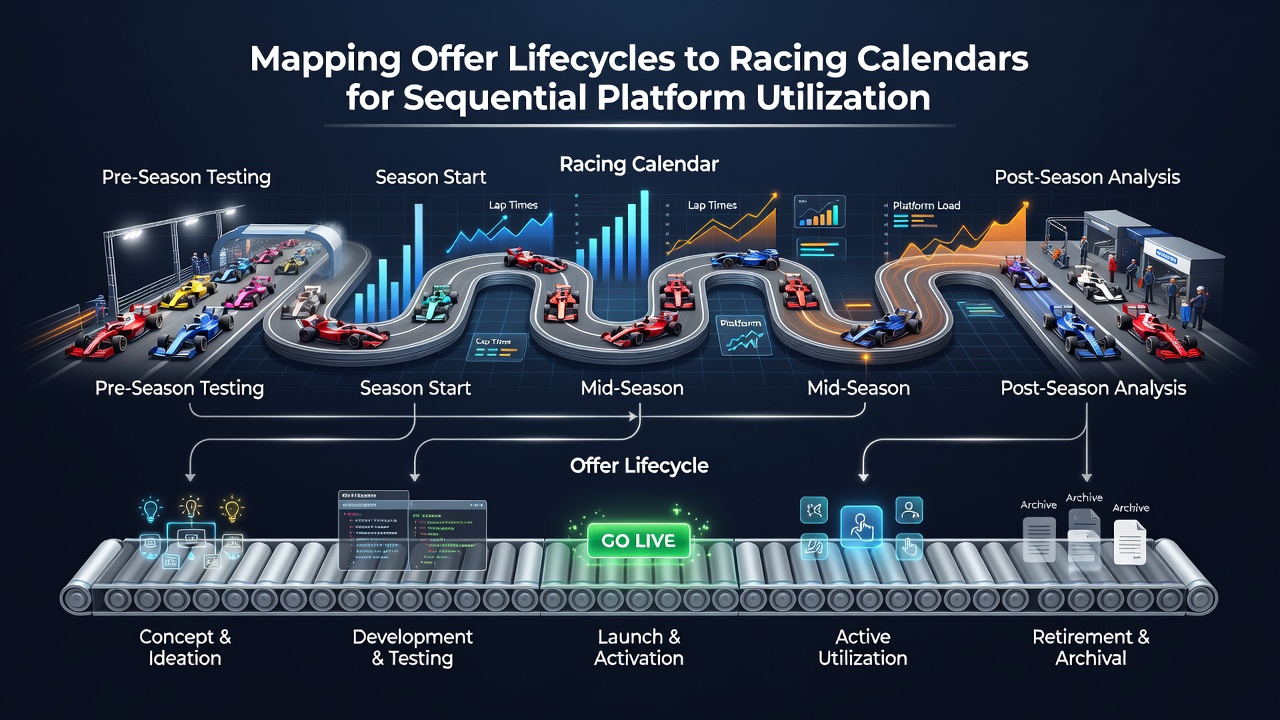
Promotional lifecycles typically span seven to thirty days, and experts observe that mapping these intervals against racing schedules reveals optimal windows for activation. When a deposit bonus expires just before a high-profile meet, users can shift focus to another platform whose offer activates during the event itself. Studies indicate that such sequencing reduces idle periods and maintains continuous bankroll momentum through coordinated timing. Those who track fixture lists from bodies like the National Thoroughbred Racing Association find recurring opportunities around Grade 1 races that coincide with reload promotions.
Sequential Rotation Across Operators
Platform utilization becomes more efficient when operators are sequenced according to their unique calendar alignments rather than treated in isolation. One analysis revealed that starting with a sign-up offer timed for the start of the Australian spring racing carnival, then transitioning to a cashback promotion active during the Breeders' Cup, produces layered coverage. And because many offers include minimum stake requirements tied to specific markets, matching them to liquid pools at major tracks maximizes completion rates. The reality is that ignoring these overlaps leaves potential returns on the table while competitors advance through their own rotations.
Key Fixtures and Corresponding Promotion Windows
- Early July meetings in Europe often pair with mid-season reload bonuses that extend through the month, creating bridges between spring and summer campaigns.
- North American tracks host signature events in late July where free bet credits frequently align with weekend cards, supporting cross-platform movement before August fixtures begin.
- Southern Hemisphere calendars feature winter jumps meets that attract targeted deposit matches, allowing users to complete one cycle before shifting to northern summer jumps series.
Figures from trade associations demonstrate that participants who maintain detailed calendars achieve higher completion percentages on bonus terms. July 2026 stands out in projections because several major circuits have announced schedule adjustments that extend certain festival dates, potentially lengthening promotional validity periods for operators responding to those changes.
Practical Mapping Techniques
People who maintain spreadsheets or calendar applications integrate offer start dates with race entries and results databases to forecast availability. This approach surfaces conflicts early, such as when two platforms require simultaneous qualifying bets on the same afternoon card. Data indicates that those who color-code by region and operator type identify seamless handoffs more reliably than those relying on memory alone. What's interesting is how small adjustments, like advancing a deposit by forty-eight hours to catch a different race meeting, can unlock an additional promotion layer without violating any single platform's rules.
Regional Variations and Regulatory Influences
European operators frequently anchor promotions to Royal Ascot or Prix de l'Arc de Triomphe, while North American and Australian platforms align with their flagship events. A report from the Australian Racing Board highlights how seasonal shifts affect offer density, creating denser clusters during carnival periods that reward rapid sequencing. Observers note that regulatory updates in various jurisdictions can alter minimum odds or stake thresholds mid-cycle, so cross-referencing fixture changes with terms updates remains essential for maintaining compliance across borders.
Conclusion
Effective mapping of offer lifecycles to racing calendars enables structured movement between platforms while respecting each promotion's constraints. Evidence from multiple racing authorities shows that systematic tracking produces more consistent outcomes than ad-hoc approaches. Those who integrate global fixture data with operator calendars position themselves to complete sequential cycles efficiently throughout any given season.