The Interplay of Cashback Triggers and Arbitrage Opportunities in Daily Fixture Analysis
Lars Roth · Jul 25, 2026
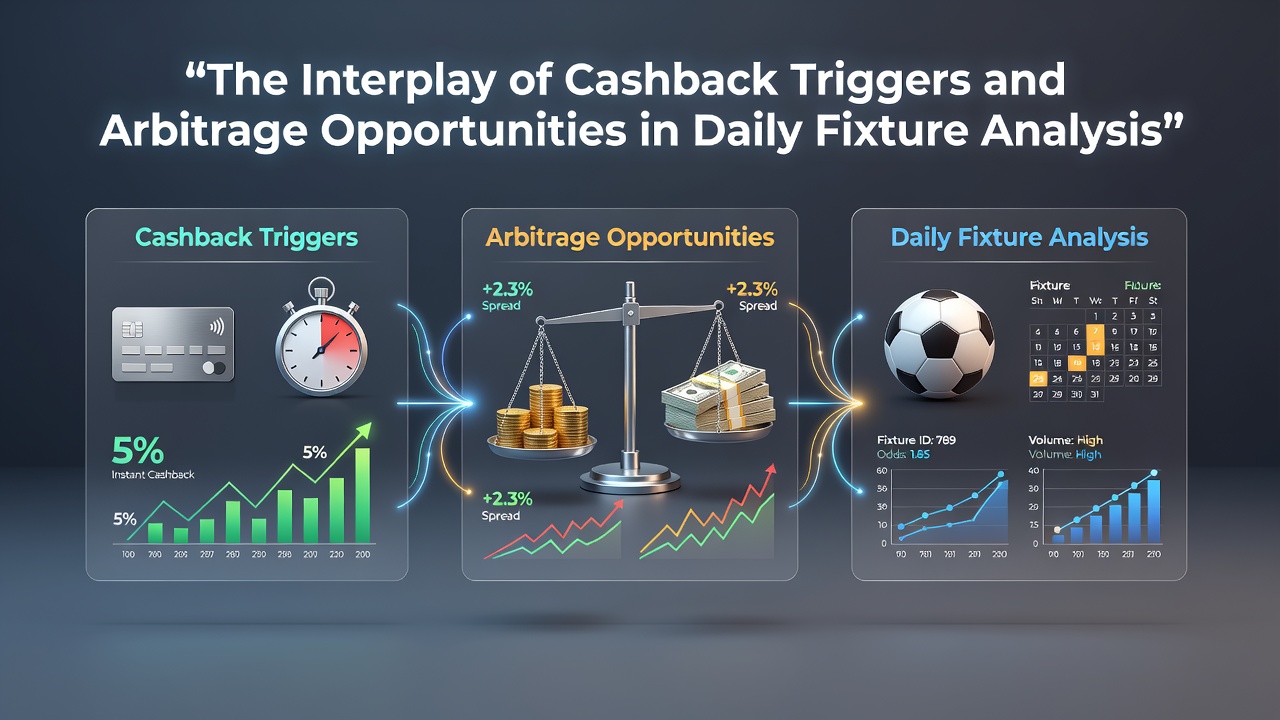
The Interplay of Cashback Triggers and Arbitrage Opportunities in Daily Fixture Analysis
Daily fixture analysis in sports betting involves systematic review of upcoming matches across multiple leagues and sports, where cashback triggers activate based on specific bet outcomes and volume thresholds while arbitrage opportunities emerge from odds discrepancies between operators. Researchers at institutions such as the University of Nevada Las Vegas track these dynamics through aggregated market data, revealing how promotional mechanics intersect with pricing inefficiencies on any given day.
Cashback Trigger Mechanics in Fixture Contexts
Operators structure cashback programs around performance metrics tied directly to fixture schedules, activating refunds when a bettor's losses on selected events reach predetermined levels during a 24-hour window. Data from the Nevada Gaming Control Board indicates that cashback percentages often scale with total stake amounts placed on particular leagues or tournaments, creating layered incentives that align with high-volume fixture days such as midweek European football rounds. Those who monitor these triggers note that activation frequently depends on bet type, with accumulator wagers or single-match selections qualifying at different rates depending on the operator's current campaign parameters.
July 2026 fixture calendars introduced additional complexity when several major tennis tournaments overlapped with domestic football schedules, leading operators to adjust cashback eligibility windows to accommodate simultaneous events. Observers point out that this overlap produced situations where cashback applied across multiple sports within the same daily analysis cycle, prompting bettors to recalibrate their stake distribution models accordingly.
Arbitrage Identification Through Fixture Data
Arbitrage betting relies on identifying price differences for the same outcome across bookmakers, a process that fixture analysis streamlines by prioritizing matches with wide market participation. Studies from Gambling Research Australia demonstrate that high-profile fixtures generate greater odds variance because more operators compete for volume, increasing the frequency of temporary mispricings. Analysts compile these variances into daily spreadsheets that flag potential locks, often completing calculations within minutes of odds publication.
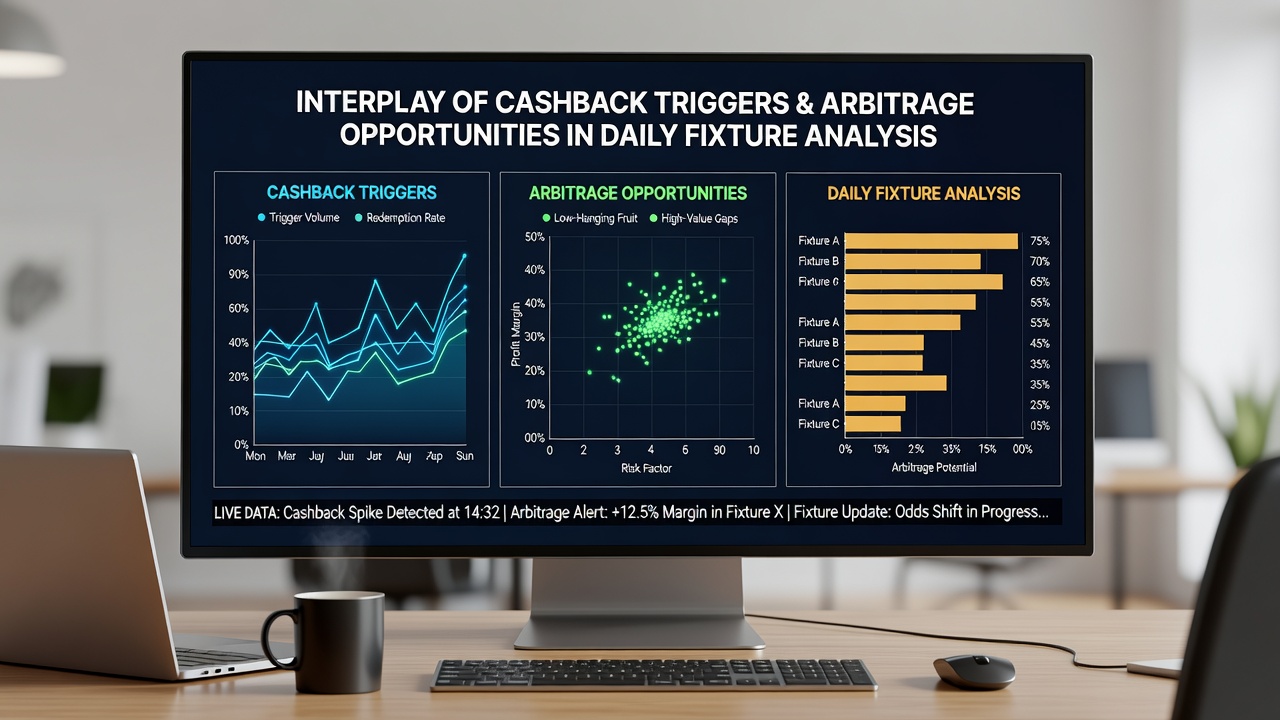
Fixtures with limited market depth, such as lower-division matches or niche esports events, sometimes yield narrower arbitrage windows because fewer operators list the events at all. Data indicates that daily analysis routines therefore allocate more resources to mainstream schedules where liquidity supports rapid position adjustments when one bookmaker shifts its lines.
Combined Application in Daily Workflows
Bettors integrate cashback triggers into arbitrage strategies by first mapping fixture-specific promotions, then overlaying those parameters onto odds comparison tools to determine whether a guaranteed return remains viable after cashback adjustments. According to reports compiled by the European Gaming Association, this dual-layer approach requires precise timing because cashback accrual periods often reset at midnight, forcing analysts to finalize positions before promotional windows close on any given fixture day.
Case examples show operators occasionally introducing cashback on losing legs of multi-bet slips, which alters the risk profile of certain arbitrage constructions when one outcome falls outside the promoted categories. Those tracking these changes adjust their daily fixture filters to exclude or prioritize matches based on the presence of such layered offers, maintaining separation between promotional eligibility and pure arbitrage calculations.
Market Data Patterns Observed in 2026
Figures released in mid-2026 highlighted increased correlation between cashback activation rates and arbitrage frequency on days featuring clustered international qualifiers. The Nevada Gaming Control Board data further revealed that operators adjusted cashback caps in response to elevated fixture volumes, directly influencing the net profitability calculations used in arbitrage models. Analysts respond to these shifts by updating their daily review protocols to incorporate the latest promotional thresholds before odds lines stabilize.
Conclusion
The documented interaction between cashback triggers and arbitrage opportunities centers on precise fixture-level data management, where promotional rules and odds differentials must be reconciled within tight operational windows. Regulatory filings and academic tracking continue to show that daily analysis frameworks evolve alongside these mechanics, sustaining measurable activity patterns across global betting markets without reliance on any single regional authority.