Timing Data Insights with Dynamic Incentives: The Synchronization Playbook in Action
Willa Reed · May 16, 2026
Timing Data Insights with Dynamic Incentives: The Synchronization Playbook in Action
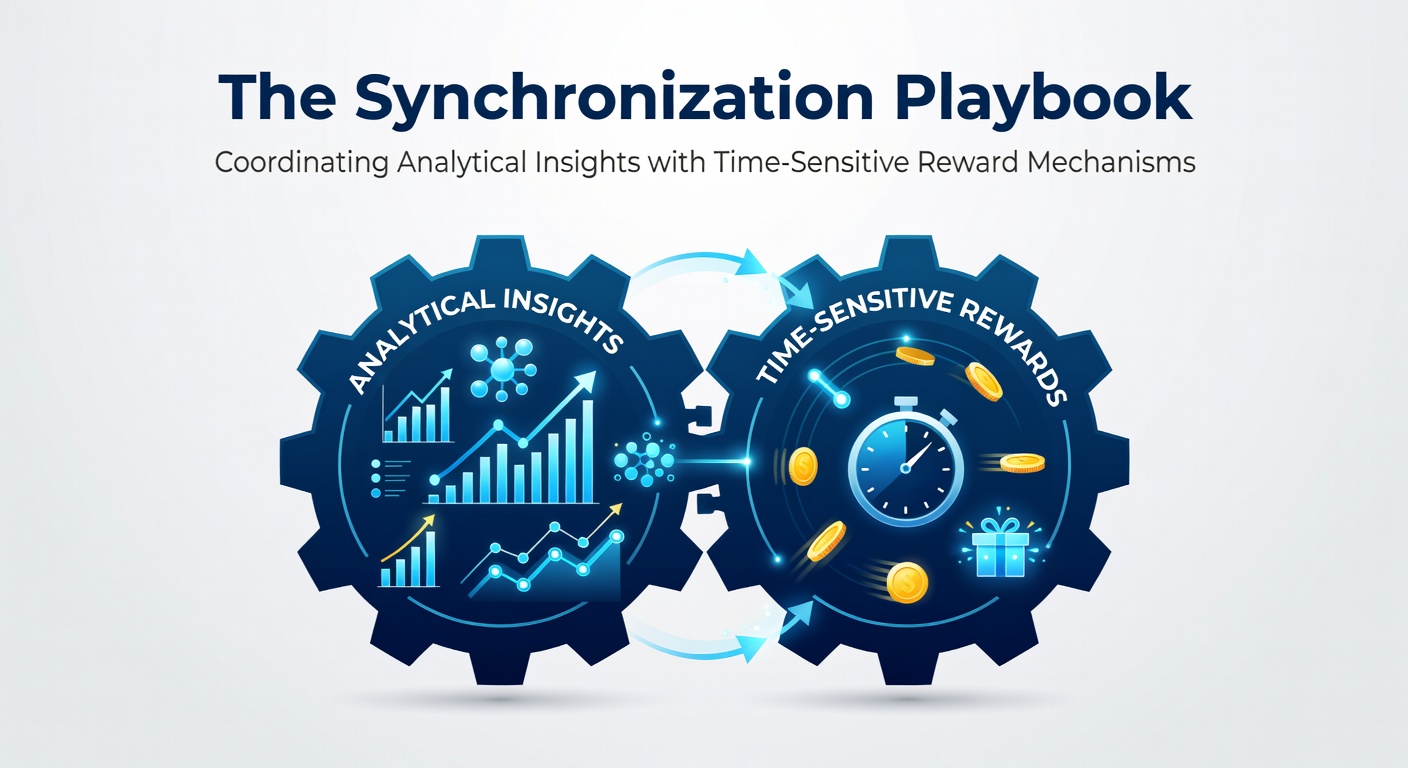
Organizations across sectors now treat analytical insights and time-sensitive reward mechanisms as interconnected elements rather than separate functions, and The Synchronization Playbook provides a structured approach to align them. Data streams from customer behavior, employee performance metrics, and market signals feed directly into reward timing decisions, which allows incentives to activate precisely when engagement peaks or productivity gaps appear.
Core Elements of Coordinated Systems
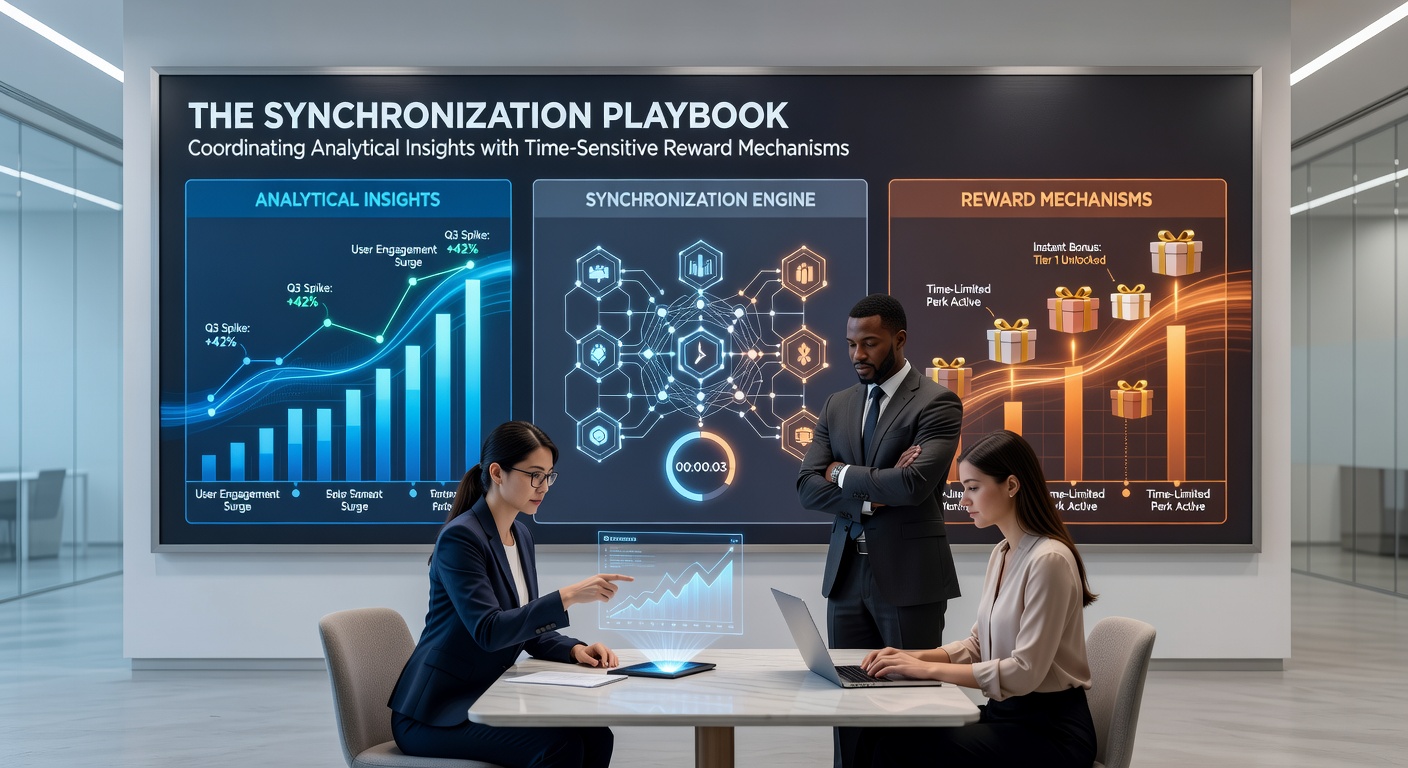
Analytical components within the playbook rely on real-time dashboards that aggregate variables such as purchase frequency, project completion rates, and supply chain velocity. These dashboards trigger reward protocols at defined thresholds, for instance releasing loyalty bonuses within minutes of a customer reaching a spending milestone or distributing performance credits to teams once quarterly targets are confirmed. The mechanism reduces lag between insight generation and action delivery, which studies from the OECD indicate improves retention rates by measurable margins in monitored pilot programs.
Time-sensitive rewards function through conditional triggers rather than fixed schedules, so a bonus might activate only after an algorithm confirms sustained activity over a 48-hour window. This approach draws on behavioral data patterns documented in reports from Statistics Canada, where researchers tracked how immediate reinforcement following observed effort produced higher compliance compared with delayed distribution.
Implementation Patterns Observed in Practice
Teams begin by mapping data sources to specific reward categories, connecting sales pipeline velocity metrics to commission accelerators that unlock automatically when conversion rates exceed benchmarks. Human resources platforms integrate attendance and output logs with milestone payouts, and supply chain managers link inventory turnover data to supplier rebates that release upon verified delivery speed improvements. Each connection point uses API-driven rulesets that prevent manual intervention while maintaining audit trails for compliance reviews.
One logistics firm synchronized route optimization analytics with driver incentive releases, resulting in documented reductions in fuel costs after rewards activated within the same operational cycle as the efficiency gains. Similar patterns appear in retail environments where stock level predictions coordinate with staff shift premiums, ensuring coverage expands exactly when demand forecasts rise.
Adjustments Scheduled for Broader Rollout
Updates to regulatory frameworks in several jurisdictions take effect during May 2026, requiring clearer disclosure of how algorithmic triggers determine reward eligibility. Organizations preparing for these changes have begun embedding transparency layers into their synchronization protocols, displaying the data thresholds that activate each incentive directly to participants. This step aligns with guidance issued by the Australian Competition and Consumer Commission on automated decision systems in commercial programs.
Cross-industry working groups have tested modular toolkits that allow smaller entities to adopt core playbook elements without building custom infrastructure. These kits connect existing enterprise resource planning systems to reward engines through standardized data fields, which lowers entry barriers while preserving the precision of timing mechanisms.
Measurement Frameworks and Data Sources
Performance tracking within synchronized systems focuses on latency between insight capture and reward execution, alongside downstream indicators such as repeat engagement or output consistency. Metrics reported by the European Central Bank in workforce productivity reviews show tighter coordination correlates with steadier output curves across monitored sectors. Continuous refinement occurs through feedback loops that adjust trigger sensitivity based on historical response data rather than static rules.
Academic analyses from MIT Sloan Management Review have examined cases where reward synchronization reduced administrative overhead by consolidating multiple manual approval stages into automated sequences. The same studies note that organizations maintaining separate analytics and compensation teams experience higher error rates in timing alignment compared with those using integrated platforms.
Conclusion
The Synchronization Playbook establishes repeatable pathways for linking analytical outputs directly to reward activation points across operational domains. As data infrastructure expands and regulatory expectations evolve ahead of May 2026 implementations, organizations continue refining these connections to maintain accuracy in both insight interpretation and incentive delivery. The resulting structures support consistent alignment between observed patterns and responsive actions without introducing subjective judgment into the process.